




Buying land in Bali can offer strong investment potential, but legal mistakes can cost you everything. Understanding how to verify land ownership in Bali is crucial for protecting yourself from disputes, hidden debts, and zoning violations.
Many buyers rush into agreements without checking certificates, ownership status, or spatial planning rules. As a result, they face inheritance claims, mortgage complications, or land that cannot be developed legally. If you plan to invest, you must conduct proper land due diligence before signing any contract or transferring funds.
Why Verification Is Critical for Foreign Buyers
Foreign buyers face additional legal limitations in Indonesia. You cannot directly hold the right of ownership or Hak Milik as a foreign individual. Instead, you must use structures such as leasehold, Hak Pakai (Right to Use), or a PT PMA under specific conditions.
Without proper verification, you risk entering illegal nominee arrangements or purchasing land that you cannot legally control. Moreover, many land disputes in Bali involve inherited property that heirs never formally divided. Some plots also carry existing bank mortgages or unpaid taxes.
Therefore, foreign investors must conduct structured verification before committing to any transaction. Careful checks reduce financial loss and provide long-term legal certainty.
Read More: The Role of Notary (PPAT) in Indonesian Property Transactions
How to Verify Land Ownership in Bali (5 Essential Steps)
To understand how to verify land ownership in Bali properly, you must follow clear and practical steps. Each step confirms legal validity and protects your investment.
- Check the Land Certificate Type
Review whether the land holds SHM (Sertifikat Hak Milik), HGB (Hak Guna Banghunan), or Hak Pakai. SHM grants full ownership to Indonesian citizens. HGB allows building rights for a fixed period. Hak Pakai grants usage rights under government approval. Make sure the certificate type aligns with your legal structure. - Verify the Certificate at BPN
Bring a copy of the land certificate to the National Land Office. Cross-check the certificate number, ownership name, and land size against official records. Ensure the seller’s identity matches the registered owner. - Confirm No Mortgages or Legal Disputes
Ask whether the land serves as collateral for a bank loan. Check for ongoing court cases or overlapping ownership claims. You must clear these issues before proceeding. - Review Zoning and Spatial Planning Regulations
Request the ITR zoning document. Confirm whether the land qualifies for residential, tourism, or agricultural use. You cannot legally build a villa on protected or agricultural land without proper zoning approval. - Conduct a Boundary and Land Survey
Hire a licensed surveyor to measure the land. Compare physical boundaries with the official certificate map. This step prevents future disputes with neighbors or public land authorities.
Red Flags Foreign Buyers Should Watch For
Even after completing basic checks, you must stay alert throughout the transaction process. Some risks only appear during negotiations or payment discussions, so watch for warning signs such as the following:
- Unrealistically low selling prices
- Pressure to transfer deposits quickly
- Sellers who refuse BPN verification
- Incomplete or inconsistent documentation
- Nominee ownership arrangements
If any of these signs appear, pause the transaction immediately. Proper verification always takes priority over speed. Taking extra time now can prevent costly legal disputes later.
Read More: How To Avoid Real Estate Scams in Bali
Secure Your Investment with Verified Land Listings from Seven Stones Indonesia
At Seven Stones Indonesia, we help investors verify ownership, review zoning, and structure purchases correctly. Our team conducts thorough due diligence before presenting land opportunities.
We focus on transparency, legal certainty, and long-term value. Explore our verified listings below and speak with us before making your next move.
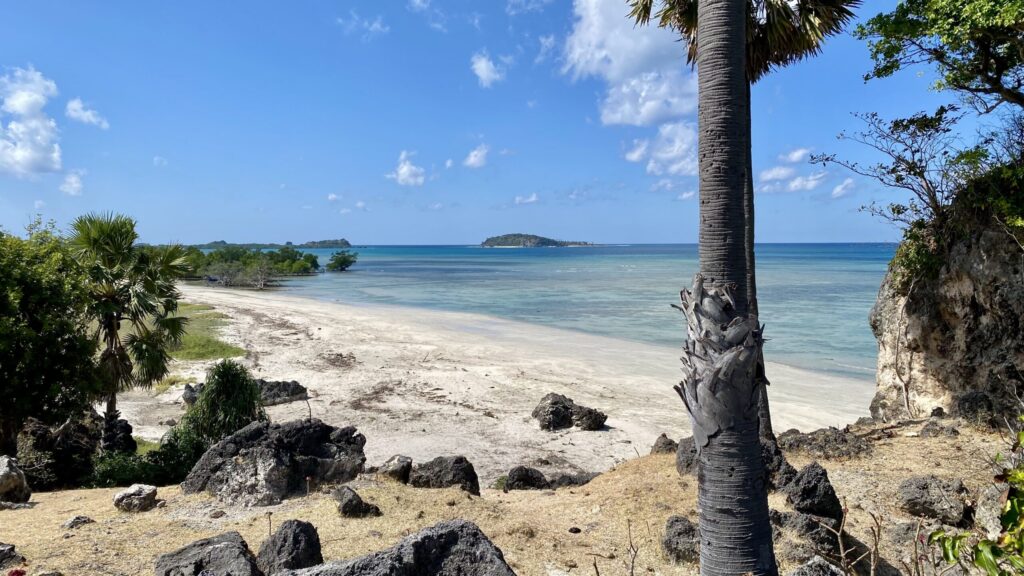
This beachfront plot offers direct coastal access and strong tourism potential. The land presents a rare opportunity for resort or villa development in an emerging destination. The property features expansive ocean views and immediate beachfrontage. Its location supports long term growth as tourism expands in the region.
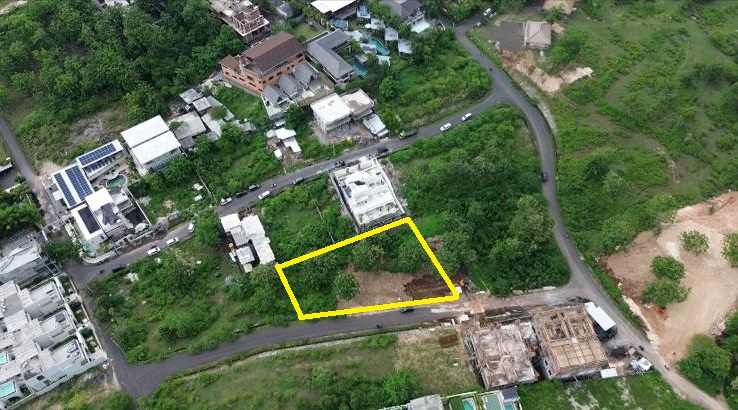
Located within a designated tourism zone, this land supports hospitality or villa development. The zoning classification aligns with commercial and tourism activities. The surrounding area continues to attract visitors and investors seeking premium coastal opportunities. Its positioning within an approved tourism zone strengthens its development potential.
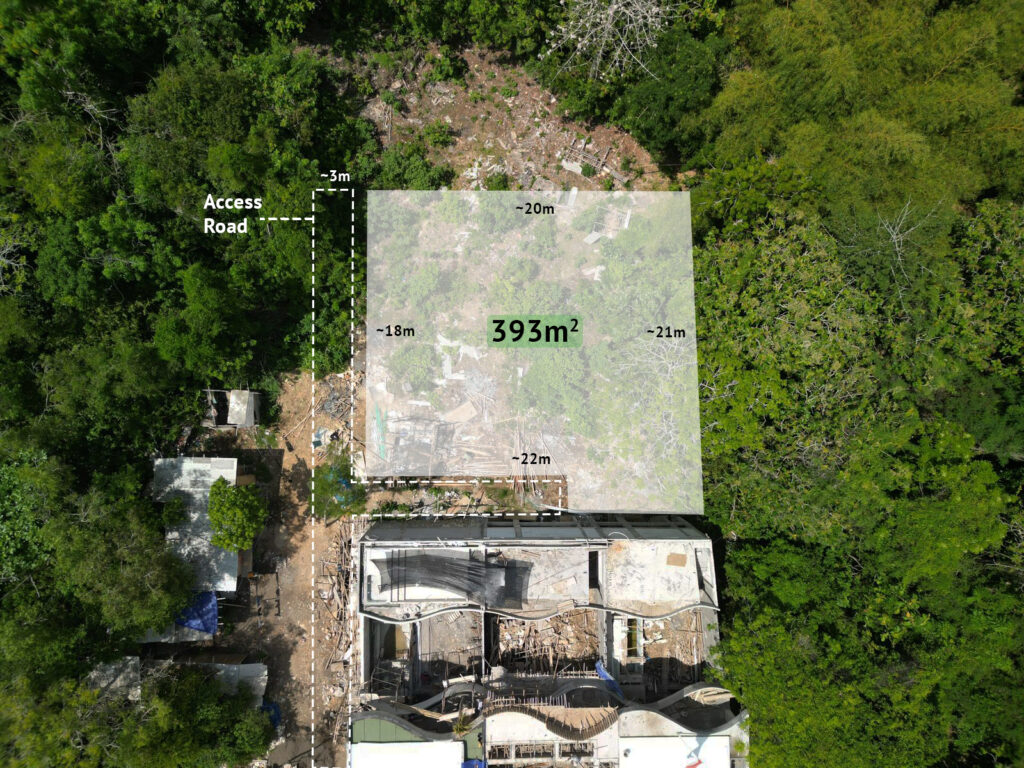
This leasehold land in Pecatu offers flexible plot sizes suitable for boutique villas or private residences. The location provides strong rental and lifestyle appeal. Situated in a sought-after area, the land benefits from proximity to beaches, dining, and established villa developments. Flexible parcel options allow investors to tailor projects to their preferred scale.
Ready to buy land in Bali? Contact us today to review available land listings and secure your Bali investment with confidence.
Source: ilotpropertybali.com, balivisa.co, schinderlawfirm.com
Image: Seven Stones Indonesia