




Understanding the responsibilities of a notary or a Pejabat Pembuat Akta Tanah (PPAT) in Indonesia is essential for anyone involved in buying or selling property. The PPAT ensures that every land transfer in Indonesia follows legal procedures, thereby protecting both parties involved in the transaction. As the country’s property market grows, knowing how the notary system works can help investors make informed and secure decisions.
What Is a PPAT?
A PPAT, or Land Deed Official, is a government-appointed notary authorized to draft and authenticate land and property transfer deeds in Indonesia. Their role is crucial in ensuring that property transactions meet national land law requirements. While all PPATs are considered notaries, not all notaries hold PPAT licenses—making this designation a specialized legal position.
In the context of Indonesian real estate, the PPAT acts as a bridge between buyers, sellers, and the National Land Agency (BPN). They ensure that all documentation complies with regulations, providing a clear legal record of ownership. Without a certified PPAT, a property transaction cannot be officially recognized under Indonesian law.
Legal Responsibilities in Property Transactions
PPATs have several legal duties that help maintain transparency and ensure the legality of property transactions. Their main responsibilities include:
- Drafting sale and purchase deeds that define ownership transfer terms.
- Verifying ownership documents to ensure the seller has legitimate rights.
- Ensuring compliance with tax obligations, such as the Buyer’s Duty on Acquisition of Land and Building Rights (BPHTB) and the Seller’s Income Tax (PPh).
- Submit transaction records to the National Land Agency for registration.
Through these duties, PPATs protect both parties from potential fraud or disputes. Their involvement guarantees that every land transfer in Indonesia aligns with legal and tax regulations, creating a transparent and secure property legal process.
Read More: A Step-by-Step Guide to Securing a Building Permit in Bali
Key Documents Verified by PPAT
Before authorizing a transaction, a PPAT must review and confirm the validity of essential legal documents. These include:
- Land Certificate (Sertifikat Tanah): Confirms official ownership status.
- Tax Clearance Documents (BPHTB and PPh): Ensure all property taxes are paid.
- Identification Documents (KTP and NPWP): Verify the identity and tax number of both parties.
- Ownership History: Establishes the land’s previous ownership and prevents overlapping claims.
By verifying these records, the PPAT ensures that each property transaction is legitimate and free of legal complications. This thorough document verification process fosters trust between buyers and sellers, thereby minimizing risks throughout the property transaction process.
Read More: Property Due Diligence Steps in Indonesia: A Complete Guide
Why Buyers Should Work With Trusted Professionals
Working with experienced professionals is essential when investing in Indonesian property. A qualified PPAT and a reputable real estate consultant can guide buyers through the country’s complex legal framework. Their expertise helps identify red flags early, ensuring that property documents are valid and transactions are legally sound.
Investors, especially foreigners, benefit from engaging professionals who understand Indonesia’s property regulations. With the right support, buyers can navigate the land transfer process with confidence, ensuring that their investment remains secure and fully compliant with local laws.
Explore Verified Properties with Seven Stones Indonesia
At Seven Stones Indonesia, we work closely with certified PPATs and legal advisors to simplify every step of your property journey. From verifying land certificates to finalizing the deed of sale, we ensure that every transaction complies with Indonesian law. Our team combines legal expertise with deep market knowledge, giving you peace of mind and confidence in your investment.
Here are some of our featured listings:
1. Modern 5-Bedroom Tropical Villa in Ubud – A Serene Luxury Retreat with Strong Investment Potential

This modern tropical villa in Ubud blends natural beauty with refined comfort. It offers five spacious bedrooms, a private pool, and lush garden surroundings that enhance its tranquil atmosphere. Designed for both leisure and investment, this property provides strong rental income potential in one of Bali’s most sought-after areas.
Investors seeking long-term value will appreciate its blend of luxury and practicality. With Ubud’s growing tourism and wellness scene, this villa offers the perfect combination of serenity and profitability.
2. Refined Living Investment Opportunity – Freehold Villa in Canggu

Located in the vibrant heart of Canggu, this freehold villa offers a premium lifestyle with modern design and high-quality finishes. It features open living spaces, stylish interiors, and easy access to beaches and restaurants. Ideal for families or investors, this property combines comfort with strong appreciation potential.
Its strategic location makes it a valuable asset for those seeking a profitable and easy-to-manage investment in one of Bali’s trendiest areas.
3. Elegant 2-Bedroom Villa in the Heart of Canggu – Where Balinese Charm Meets Modern Comfort
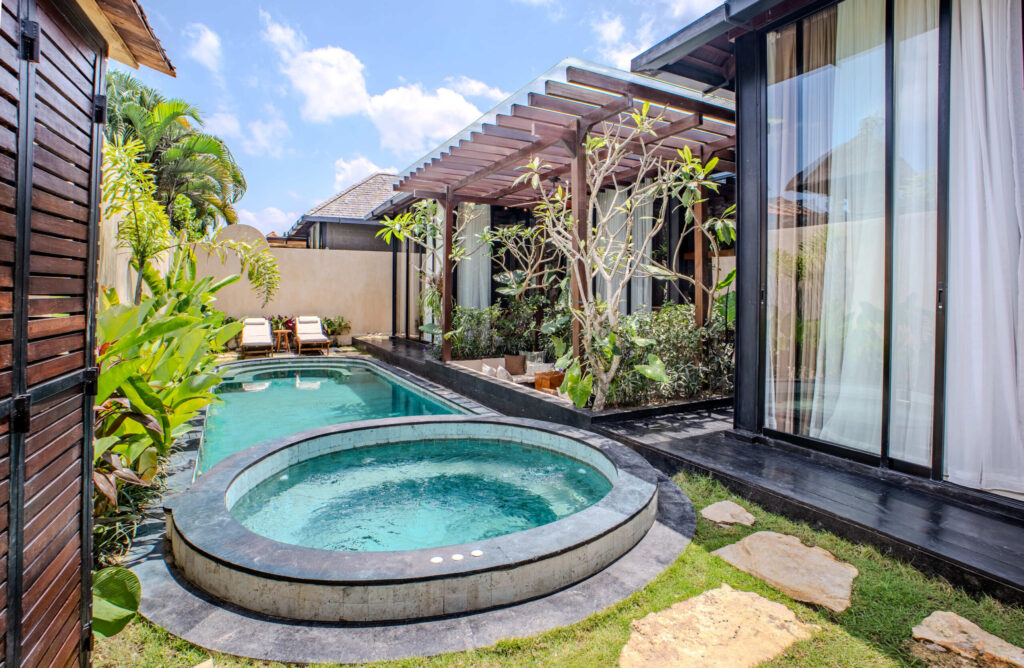
This elegant villa captures the essence of Balinese architecture, enhanced by modern comforts and tasteful design. Featuring two bedrooms, a private pool, and a bright open-plan living area, it offers a perfect retreat for homeowners or investors.
Located in central Canggu, this villa promises excellent rental returns and lifestyle benefits, making it an ideal choice for those seeking both personal enjoyment and financial growth.
If you’re ready to explore property opportunities with the guidance of experienced professionals, contact Seven Stones Indonesia today. We’ll connect you with verified listings, trusted PPAT Indonesia partners, and legal experts to make your property investment process seamless and secure.
Source: cptcorporate.com
Image: Getty Images, Seven Stones Indonesia