



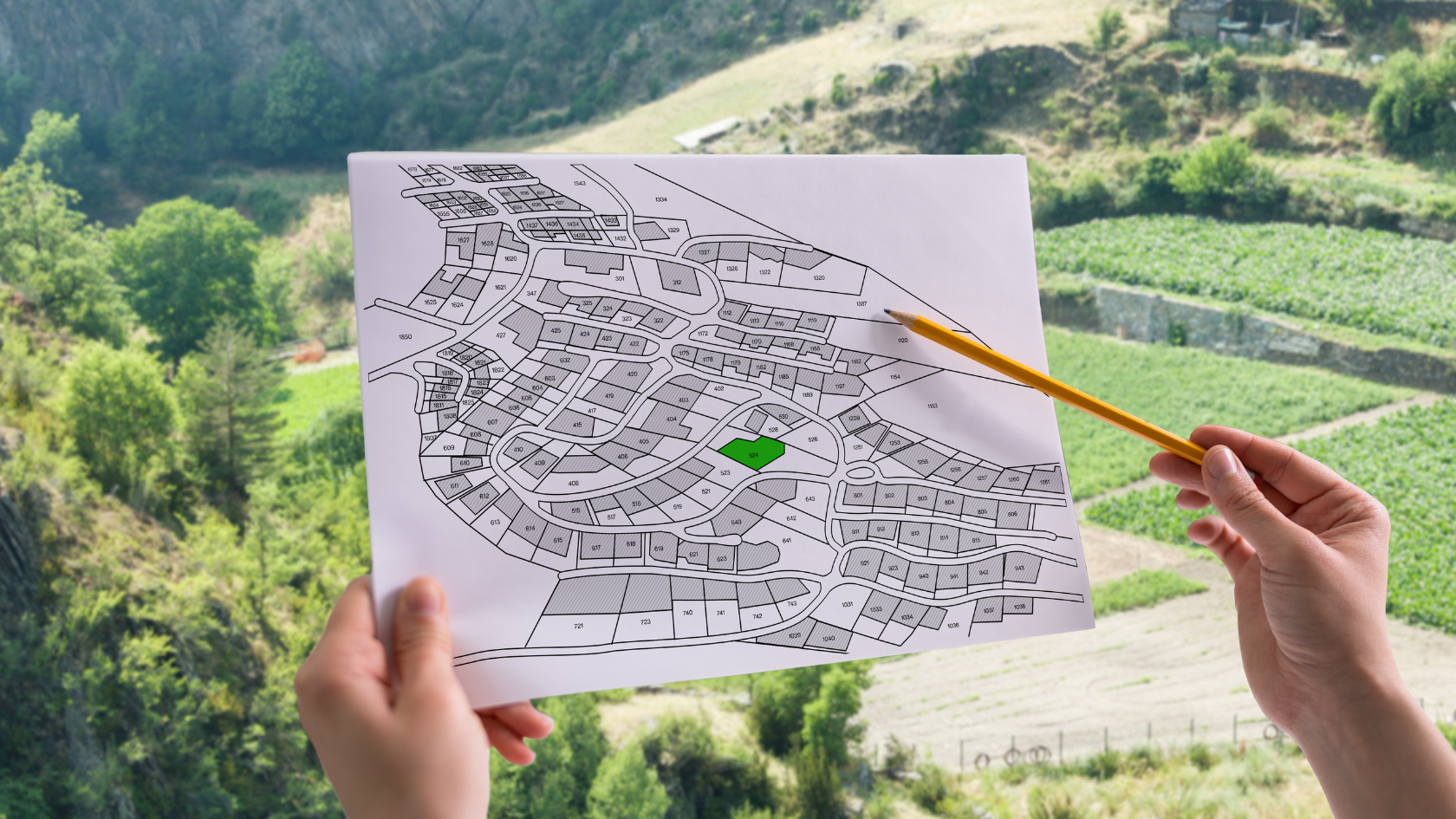
Understanding land zoning in Bali is crucial for anyone interested in property investment, development, or homeownership. Zoning laws shape what can and cannot be built, and overlooking them may cause costly setbacks. For foreign investors in particular, land zoning guides decisions that determine the success and legality of long-term plans. By knowing how Bali’s zoning works, buyers can protect their investments and ensure they comply with regulations.
What Are Land Zoning Regulations?
Land zoning regulations define how land can be used and developed. In Bali, zoning is part of spatial planning, known locally as Rencana Tata Ruang Wilayah (RTRW). These rules ensure balanced growth, environmental protection, and respect for cultural heritage. Without zoning, construction could happen anywhere, threatening Bali’s natural and cultural resources.
Zoning laws clearly separate residential, commercial, agricultural, and conservation areas. They also regulate building permits, meaning you cannot obtain approval to build outside the allowed use of a plot. For investors, understanding zoning is critical because it influences property value, development potential, and long-term returns.
Read More: Understanding Bali Land Zoning Regulations for Commercial Villas
Types of Zoning Zones in Bali
Bali’s zoning system includes several categories, each with unique purposes and restrictions. Here are the main zones:
- Green Zone: Reserved for agriculture. No building permits are issued here.
- Yellow Zone: Convertible land that may later allow limited development.
- Red or Tourism Zone: Areas for hotels, villas, restaurants, and tourism businesses.
- Residential Zone: Intended for private homes and small-scale housing.
- Trade & Service Zones: Designated for shops, offices, and commercial activities.
- Conservation Zones: Protected areas to safeguard Bali’s natural and cultural sites.
Choosing the right zone is vital for anyone planning to build or develop property. For example, while tourism zones encourage investment in hospitality projects, conservation zones prohibit construction. Ignoring these rules could result in fines or demolished structures. Investors who align their plans with zoning regulations benefit from smoother permit processes and stronger legal security.
How to Check Land Zoning in Bali
Before purchasing land, it is crucial to confirm its zoning status. Buyers can do this through several channels:
- Visit the National Land Agency (BPN) or local spatial planning office to review maps.
- Request zoning confirmation through a notary or property consultant.
- Cross-check land certificates against zoning designations.
Conducting due diligence ensures the land’s intended use matches legal permissions. For instance, someone aiming to build a villa must verify the plot lies within a tourism or residential zone. Skipping this step could result in rejected permits or restricted property use. By taking the time to verify zoning, investors safeguard their projects and avoid unpleasant surprises.
Read More: Land Zoning in Bali: Key Insights for Property Development
Explore Bali Land Opportunities with Seven Stones Indonesia
At Seven Stones Indonesia, we guide investors through the complexities of land zoning in Bali. We help you find properties that match your goals and comply with local regulations. Our curated listings highlight prime opportunities across the island, each aligned with the proper zoning. Here are four standout options:
1. Canggu
This 6-are plot near Canggu offers an excellent chance to build in one of Bali’s most vibrant areas. The location provides easy access to beaches, restaurants, and a growing community of expatriates and locals. It is ideal for those seeking to create a residence in a thriving neighborhood.
With its proximity to entertainment and lifestyle hubs, this land combines convenience with investment potential. Buyers who secure property here can enjoy both personal use and strong rental demand.
2. Uluwatu
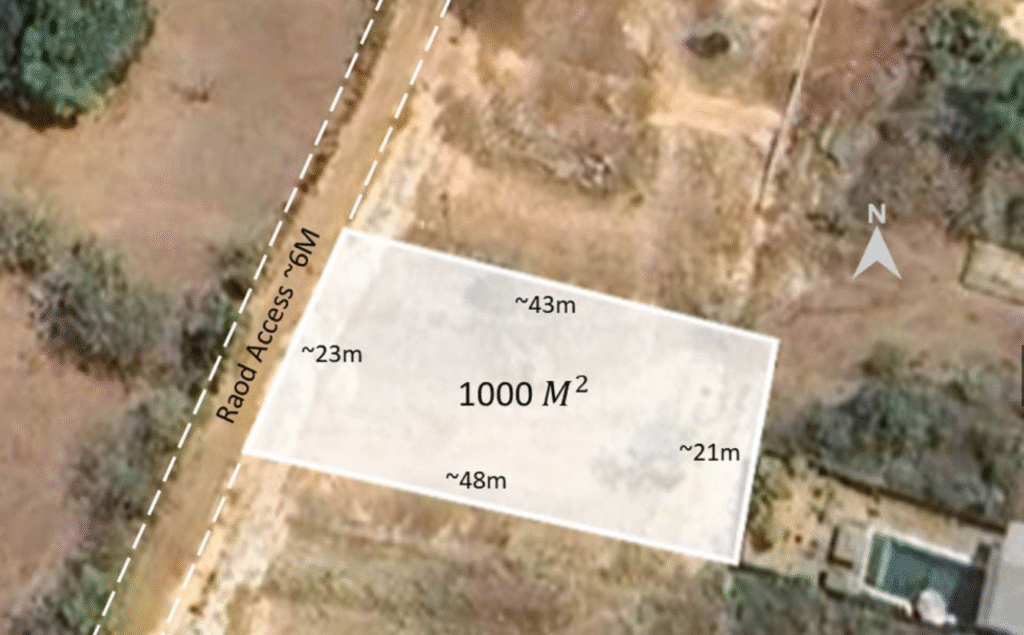
Located in Bingin’s tourism zone, this rare 10-are plot sits in one of Bali’s most desirable coastal regions. The area is well known for its surf breaks, dramatic cliffs, and upscale lifestyle. Investors can use the zoning benefits to develop villas, boutique resorts, or hospitality projects.
The land’s prime positioning in a tourism-designated area ensures strong demand for vacation properties. It presents a valuable opportunity for those looking to enter Bali’s thriving tourism market.
3. Nusa Dua
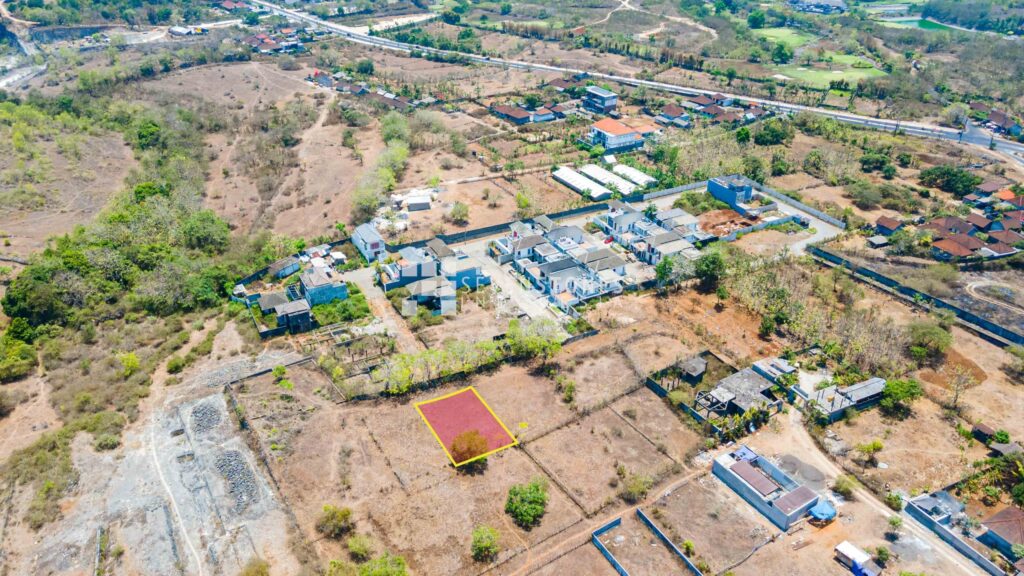
This prime parcel in Nusa Dua sits within a tourism zone, making it suitable for villas or residential development. The neighborhood is renowned for its luxury resorts, beaches, and well-maintained infrastructure. Owning land here means joining one of Bali’s most established investment hotspots.
Buyers can take advantage of the location’s reputation as a tourism hub while enjoying the stability of an area supported by consistent international demand. The plot offers flexibility for both residential and investment-focused projects.
4. Ungasan
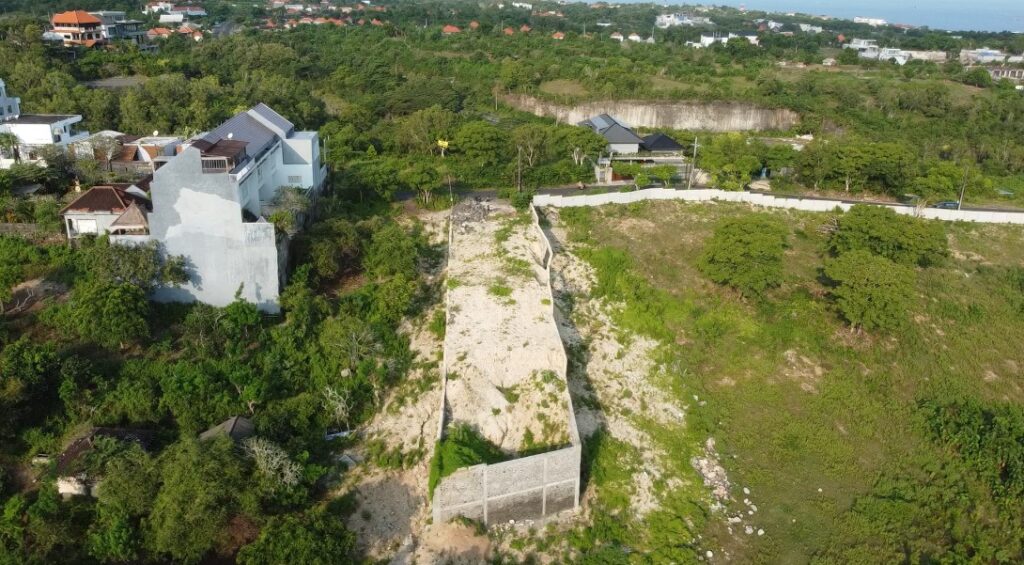
This 10-are plot in Ungasan comes with full permits and architectural designs, making it ready for immediate development. Its zoning status allows buyers to move quickly with building plans, avoiding the delays that often come with permit processing.
Ungasan is an emerging hotspot for villas and residences, offering a balance of tranquility and accessibility. With documentation and designs already in place, investors can save time and begin construction confidently.
By working with us, you gain access to properties that meet your needs and comply with Bali’s land zoning rules. Explore more listings with Seven Stones Indonesia and invest with confidence.
Source: ownpropertyabroad.com, ppbali.com, mrfixitbali.com
Image: Seven Stones Indonesia, Getty Images