




Selling property in Indonesia involves more than agreeing on a price. You must also understand property sales tax, which plays a critical role in every legal real estate transaction. This tax directly affects sellers, including individuals and companies, and must be settled before ownership transfers can proceed.
Therefore, understanding how property sales tax works helps you avoid delays, penalties, and unnecessary legal risks. Moreover, for foreign investors and local owners alike, knowing your tax obligations ensures smoother transactions and better financial planning when selling property in Indonesia.
What is Property Sales Tax?
Property sales tax refers to the income tax imposed on sellers when they transfer land or buildings in Indonesia. The seller, not the buyer, is responsible for this tax obligation. In practice, the tax applies once both parties agree to a transaction and prepare the legal transfer documents.
Unlike buyer-related taxes such as BPHTB or Bea Perolehan Hak atas Tanah dan Bangunan, which translates to Land and Building Rights Acquisition Duty, property sales tax focuses on the seller’s proceeds from the sale. This tax applies to buyers and is paid when they acquire ownership rights over land or buildings. As a result, sellers must account for this tax early to prevent issues during notarization.
Read More: What You Need to Know About Bali’s Property Taxes
Calculation of Property Sales Tax
The calculation of property sales tax in Indonesia follows a straightforward approach. The tax base is the transaction value or the government-assessed value, whichever is higher. Authorities use this method to prevent undervaluation during property transfers.
Consequently, sellers cannot simply declare a lower sale price to reduce tax exposure. Although the calculation appears simple, accurate documentation remains essential. In many cases, notaries verify values before processing the transaction.
Read More: Complete Guide to the Legal Process for Land Purchase in Indonesia
Property Sales Tax Rates in Indonesia
Indonesia applies a flat tax rate to property sales rather than progressive income brackets. For most individual sellers, the standard rate stands at 2.5 percent of the transaction value. This rate applies regardless of whether the seller is a resident or non-resident.
Meanwhile, companies selling property follow corporate tax regulations, which may differ depending on structure. Therefore, understanding the applicable rate helps sellers estimate net proceeds more accurately.
Read More: What Is Taxable Object Sales Value in Indonesian Property Business?
Exemptions and Deductions
Although property sales tax applies broadly, certain exemptions or reductions may apply under specific conditions. For example, transfers related to inheritance or family restructuring may receive different treatment.
However, these cases require clear legal justification and supporting documents. Sellers should not assume automatic exemptions. Instead, professional tax advice ensures proper compliance and avoids disputes with tax authorities.
Payment Process
The payment process for property sales tax must occur before the title transfer completes. Typically, sellers pay the tax through designated banks using an official tax payment slip. Notaries or PPATs usually coordinate this step to ensure compliance. Once payment clears, proof of settlement becomes part of the transaction file. Without this proof, the land office will not process ownership changes.
To summarize, the payment process involves:
- Calculating the correct tax base
- Paying the tax before signing the final transfer deeds
- Submitting proof of payment to the notary
Legal Implications of Non-Payment
Failure to pay property sales tax can lead to serious consequences. Transactions may stall, ownership transfers may fail, and sellers may face administrative penalties. In some cases, unresolved tax issues can trigger audits or fines. Therefore, timely payment protects sellers from legal complications and preserves transaction integrity.
Explore Investment-Ready Properties with Seven Stones Indonesia
At Seven Stones Indonesia, we help clients navigate property transactions with clarity and confidence. We guide you through compliance while connecting you with high-quality investment opportunities. Below are some of our featured properties that attract strong buyer interest.

This villa offers a refined living experience in one of Bali’s most desirable residential areas. The design emphasizes comfort, privacy, and modern aesthetics. Its layout suits both long-term living and rental investment.
We recommend this property for buyers seeking strong resale potential. The surrounding neighborhood continues to attract expats and professionals, which supports long-term value growth.

These villas deliver a serene environment surrounded by open green views. The area appeals to buyers who value privacy and a slower pace of life. At the same time, access to key destinations remains convenient.
We see this development as ideal for lifestyle investors. The natural setting enhances rental appeal for tenants seeking quiet retreats outside crowded tourist zones.
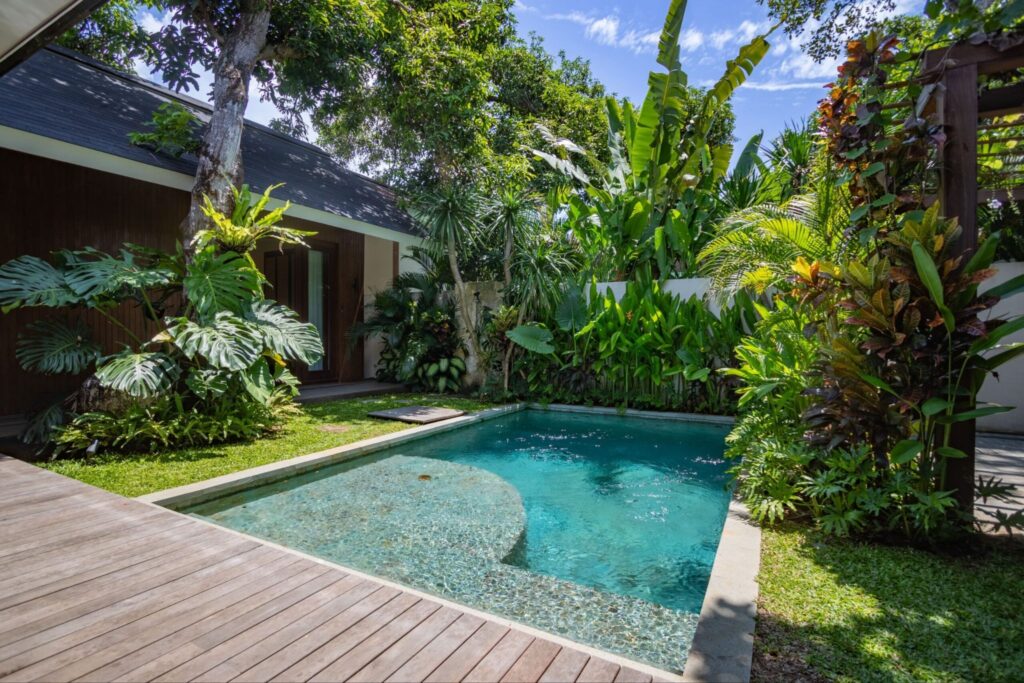
Located in a well-established coastal neighborhood, this villa combines charm with functionality. The design suits families, retirees, and long-stay residents. Sanur’s steady demand supports consistent occupancy.
We often recommend this property for buyers prioritizing stability. The area offers reliable infrastructure, which strengthens its long-term investment profile.
If you plan to sell or invest, we are here to help. Contact us to explore our listings and manage your property journey with confidence.
Source: cekindo.com, ownpropertyabroad.com
Image: Seven Stones Indonesia, Sakorn / Canva