




Understanding Bali property taxes is crucial for anyone planning to buy, own, or sell real estate on the island. Both locals and foreigners must follow Indonesia’s tax regulations to ensure smooth property transactions. Knowing what taxes apply and how to calculate and pay them correctly helps property owners avoid penalties and make better investment decisions.
Understanding Bali Property Taxes
Property owners in Bali face several types of taxes depending on their ownership structure and transaction type. The most common include:
- Pajak Bumi dan Bangunan (PBB) – the annual land and building tax.
- Bea Perolehan Hak atas Tanah dan Bangunan (BPHTB) – the property transfer tax paid by buyers.
- Pajak Penghasilan (PPh) – the income tax paid by sellers.
- Pajak Pertambahan Nilai (PPN) – the 11% value-added tax on developer sales.
- Pajak Penjualan atas Barang Mewah (PPnBM) – the luxury goods tax applied to high-end properties.
Each tax serves a specific purpose, from annual property ownership to transfer and development. Understanding how these taxes work ensures compliance throughout the property lifecycle.
Read More: How Foreigners Can Save Big on Buying Property in Indonesia
Property Tax Rates in Bali
The rates for Bali property taxes vary depending on the transaction and ownership type:
- Land and Building Tax (PBB): Usually between 0.1% and 0.3% of the government-assessed property value, known as NJOP.
- Property Transfer Tax (BPHTB): 5% of the property’s sale value, paid by the buyer.
- Income Tax (PPh): 2.5% of the sale value, paid by the seller.
- Value-Added Tax (PPN): 11%, applicable mainly to developer or commercial property sales.
- Luxury Tax (PPnBM): Up to 20%, applied to luxury properties exceeding a set threshold (usually IDR 30 billion and above).
These rates can differ slightly between regions or municipalities in Bali, so it’s wise to confirm with local authorities before closing a deal.
Property Tax Regulations for Foreigners
Foreigners cannot directly own freehold land in Indonesia, but they can legally control property through leasehold agreements, Hak Pakai (Right to Use) titles, or by establishing an Indonesian company (PT PMA). Each structure comes with its own tax responsibilities.
Foreign investors with an Indonesian tax number (NPWP) enjoy lower withholding rates. However, those without one may pay up to 20% tax on certain transactions. To stay compliant, foreigners should work with licensed notaries and trusted property consultants familiar with Indonesian tax law.
Read More: The Rise of Illegal Villas, Tax Evasion & Foreign Ownership Concerns
Calculating Property Tax in Bali
Bali property taxes are calculated using the Nilai Jual Obyek Pajak (NJOP), which reflects the government-assessed property value. The NJOP often differs from the market price.
For example, if a villa has an NJOP of IDR 5 billion and the PBB rate is 0.1%, the annual property tax would be IDR 5 million. The NJOP is reviewed periodically by local tax offices, so rates can change over time. Understanding this calculation helps property owners plan their finances more effectively.
Reporting and Payment
Property owners must pay annual Bali property taxes through official channels such as local banks or online tax payment systems. Here are key steps:
- Review your annual property tax bill issued by the local tax office.
- Confirm details such as property classification and assessed value.
- Pay the tax before the due date through an authorized payment platform.
- Keep payment receipts as proof of compliance.
Prompt reporting and payment ensure smooth ownership and prevent administrative issues when selling or transferring property.
Tax Compliance and Penalties
Non-compliance with Bali property taxes can lead to financial penalties or legal complications. Common penalties include:
- 2% monthly interest on unpaid taxes.
- Administrative restrictions that delay future transactions.
- Potential seizure of assets in severe cases.
Timely payment and accurate reporting safeguard your property investment and maintain good standing with the tax authorities.
Partner with Seven Stones Indonesia for Expert Guidance
Navigating property taxes in Bali can be challenging, especially for foreign investors. That’s why we at Seven Stones Indonesia offer professional guidance on property acquisition, tax obligations, and investment opportunities across Bali.
Explore some of our top property listings:

This boutique villa sits along a serene riverside in one of Bali’s fastest-growing areas. With elegant design and lush surroundings, it provides an ideal balance of tranquility and accessibility. Investors can benefit from strong rental potential and long-term capital appreciation in this emerging location.
The property’s layout suits both private residences and boutique accommodation ventures. Its strategic position near Canggu ensures consistent demand from tourists and long-stay tenants.
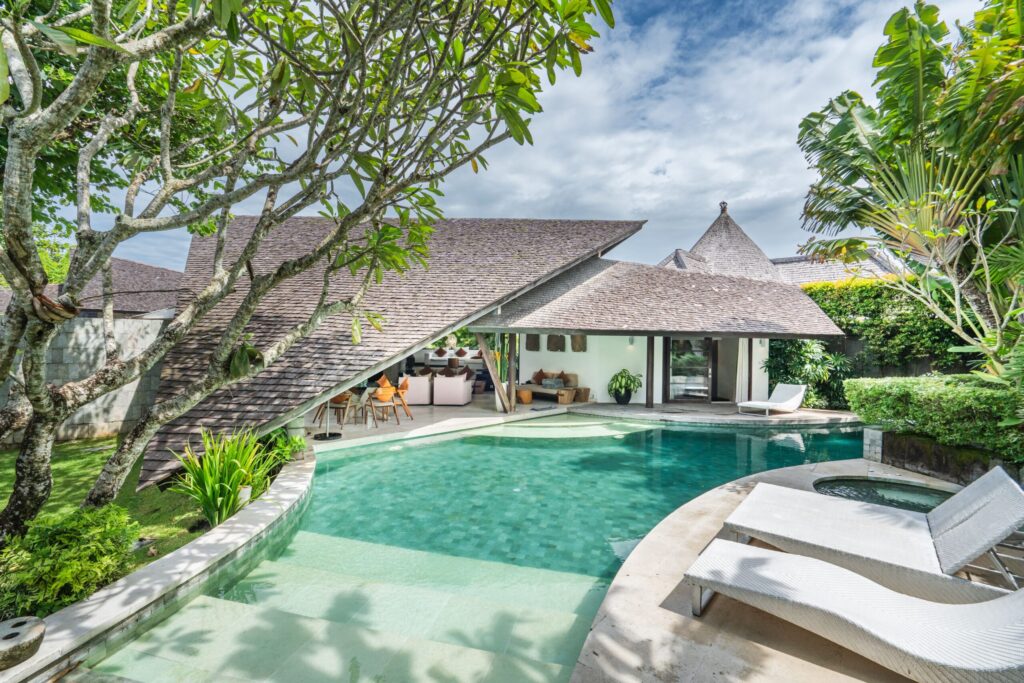
This villa combines modern luxury with tropical aesthetics inside Seminyak’s most sought-after gated community. Featuring high-end finishes, spacious living areas, and premium amenities, it delivers a perfect lifestyle for discerning buyers.
Its central location offers easy access to Bali’s best dining, shopping, and nightlife. The property is ideal for investors seeking both personal enjoyment and exceptional rental returns.

Designed with minimalist Japanese-Scandinavian flair, this villa is located minutes from Batu Bolong Beach. It features natural materials, open living spaces, and a relaxing atmosphere perfect for coastal living.
Investors will appreciate its high rental yield potential and proximity to Canggu’s trendy cafes, surf spots, and boutiques. This property represents a blend of style, comfort, and smart investment.
Contact us today for personalized advice on Bali property taxes and to explore our exclusive listings tailored to your investment goals.
Source: exotiqueproperty.com, excelbali.com
Image: Andrii Dodonov / Getty Images