




Rental agreements in Indonesia play a critical role for foreign tenants who plan to live, work, or invest in the country. Before signing any contract, expats need a clear understanding of how Indonesian rental arrangements work, their rights, and the obligations they must fulfill.
Unlike many Western countries, rental practices in Indonesia rely heavily on written agreements and upfront payments. Therefore, understanding rental agreements in Indonesia from the beginning helps foreign tenants avoid disputes, unexpected costs, and legal complications later. By learning the structure, terms, and legal context of lease contracts, expats can rent property with greater confidence and security.
Why Understanding Rental Agreements is Important?
Understanding rental agreements in Indonesia is essential because local leasing practices differ from those in many other countries. Rental contracts often require tenants to pay rent upfront for several months or even years. As a result, tenants must thoroughly understand the contract terms before making a financial commitment.
In addition, Indonesian rental agreements clearly define responsibilities between landlords and tenants. These agreements regulate issues such as maintenance, payment schedules, and early termination. Without a proper understanding, foreign tenants may unknowingly accept unfavorable terms.
Moreover, most rental contracts are written in Bahasa Indonesia. Therefore, expats should review bilingual agreements or seek clarification before signing. By understanding the agreement in full, foreign tenants can protect their rights, reduce misunderstandings, and ensure a smoother rental experience.
Read More: Property Due Diligence Steps in Indonesia: A Complete Guide
Key Components of Rental Agreements in Indonesia
Rental agreements in Indonesia typically include several key components that tenants should review carefully. These elements establish legal clarity and help prevent future disputes.
Key components usually include:
- Parties involved: The full legal names and identification details of the landlord and tenant.
- Property description: The property address, type, and included furnishings or facilities.
- Lease duration: The rental period, which commonly ranges from one to three years, along with renewal options.
- Rental price and payment terms: The total rental amount, payment schedule, and required security deposit.
- Maintenance and utilities: Clear division of responsibility for repairs, utilities, and service charges.
- Termination terms: Notice periods, penalties, and conditions for early termination.
Furthermore, rental agreements often include clauses on property use, subletting restrictions, and dispute resolution. For long-term leases, landlords and tenants may use a notary to strengthen legal certainty. By understanding these components, expats can negotiate better terms and avoid hidden obligations.
Why Rent Property in Indonesia?
Many foreign tenants choose to rent property in Indonesia due to flexibility and lifestyle benefits. Renting allows expats to live in prime locations without long-term ownership commitments. This option suits professionals, digital nomads, and retirees who prefer mobility.
In addition, rental prices in Indonesia often remain competitive compared to other international destinations. Expats can access a wide range of properties, from city apartments to private villas in popular areas like Bali and Canggu. As rental agreements in Indonesia clearly define usage rights, tenants can enjoy comfortable living arrangements while staying compliant with local regulations.
Read More: Complete Guide to the Legal Process for Land Purchase in Indonesia
Explore Properties with Seven Stones Indonesia
At Seven Stones Indonesia, we help foreign tenants and investors find well-selected properties supported by clear and transparent rental arrangements. Below are featured listings that combine lifestyle appeal with strong long-term potential.
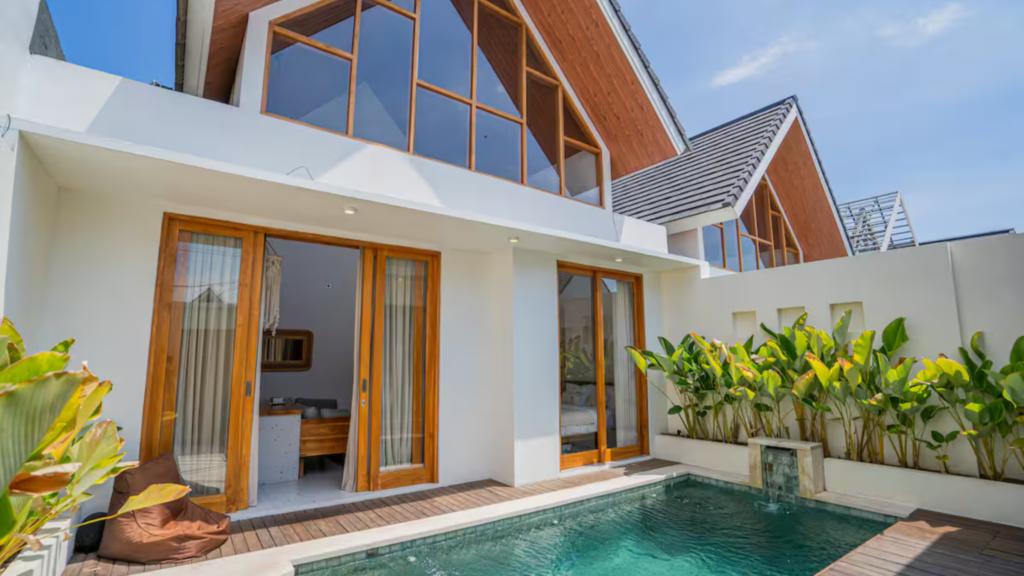
This charming two-bedroom Mediterranean-style villa offers a comfortable layout ideal for families or long-term residents. The design emphasizes natural light, functional spaces, and a calm residential atmosphere that suits daily living.
From an investment perspective, the villa presents strong rental potential due to its timeless design and practical layout. Foreign tenants seeking stability and comfort often favor properties like this, making it suitable for both personal use and rental income.
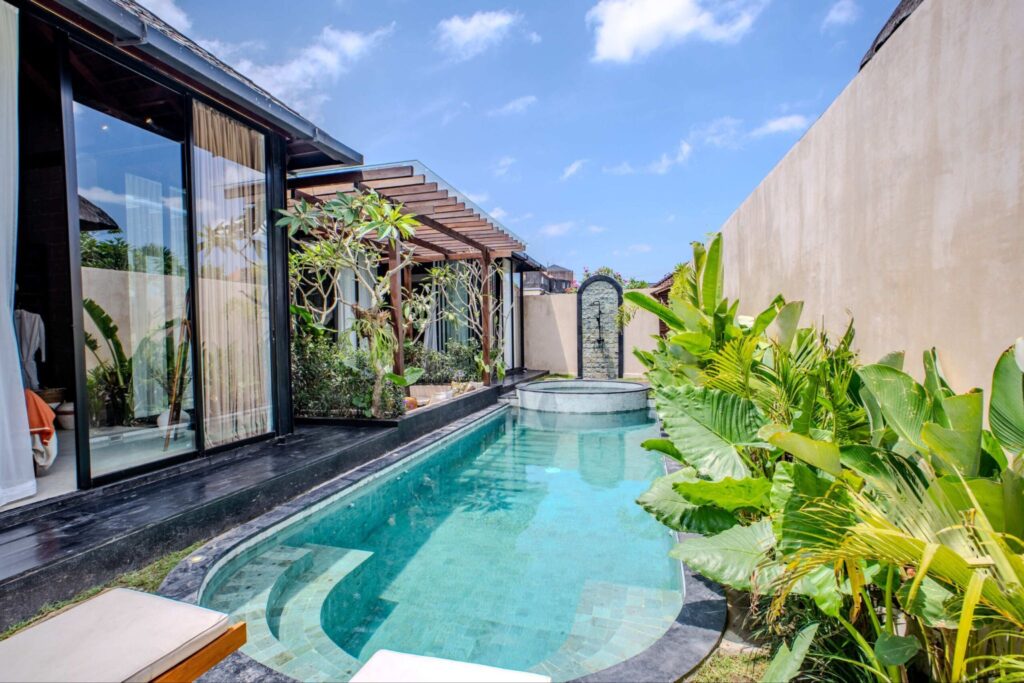
This elegant two-bedroom villa blends Balinese architectural elements with modern comfort. Located in the heart of Canggu, it offers easy access to lifestyle amenities, cafes, and popular expat areas.
The property appeals strongly to foreign tenants who prioritize location and style. Its modern features and strategic positioning support consistent rental demand, making it a smart option for long-term leasing or investment.
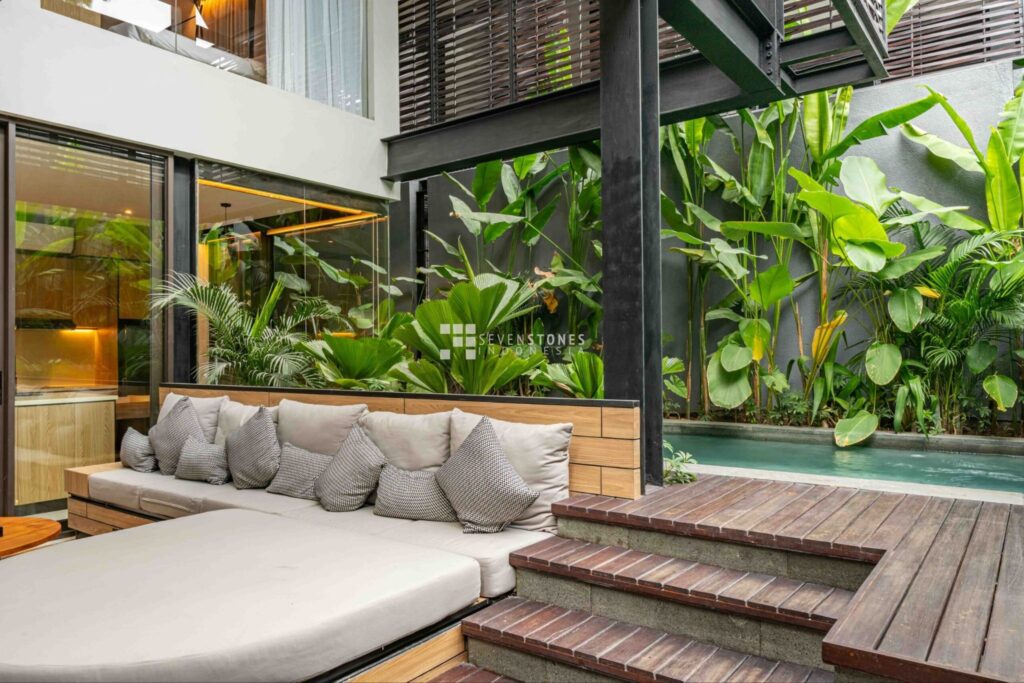
This Japandi-style villa combines minimalist Japanese design with Scandinavian functionality. Situated near Batu Bolong Beach, the property offers a refined living experience close to one of Canggu’s most desirable areas.
The villa attracts expats seeking modern aesthetics and proximity to the beach. With its strong appeal and location advantage, it holds excellent potential for both private occupancy and premium rental arrangements.
If you are exploring rental agreements in Indonesia or seeking properties that match your lifestyle goals, we are here to help. Contact us at Seven Stones Indonesia to explore these listings and secure the right property with confidence.
Source: expatfocus.com, rumah123.com
Image: Seven Stones Indonesia, sharrocks / Getty Images