




Are you exploring property opportunities on the Island of the Gods? Then understanding the land prices in Bali is essential before investing. Bali’s land market has experienced steady growth since the pandemic, with prices varying widely depending on location, accessibility, and demand. In high-traffic tourist regions, land costs more, while quieter areas in the north or east remain more affordable. This guide provides a clear overview of the cost of land across key regions of Bali and what drives the market.
Factors Affecting Land Prices in Bali
Several key factors shape the land price in Bali:
- Location demand: Areas like Canggu, Ubud, and Seminyak draw tourists, expats, and investors. High demand pushes prices up.
- Tourism influence: Bali’s steady tourism growth increases demand for holiday villas, rentals, and hospitality projects.
- Infrastructure access: Easy access to main roads, utilities, and amenities typically raises land value.
- Title type: Freehold land commands a premium but is only legally available to Indonesian nationals. Leasehold titles offer long-term use rights for foreigners, driving different price points.
Land near beaches or major attractions generally costs more than plots farther inland. Buyers should also consider development costs, zoning, and future infrastructure projects that influence long-term value.
Read More: Complete Guide to the Legal Process for Land Purchase in Indonesia
Average Land Prices by Region
Land prices in Bali vary sharply by location, and recent listings from late 2025 to early 2026 show clear price tiers across the island. Below are the current estimated land prices per square meter in USD, reflecting real market conditions rather than outdated averages:
- Canggu: approximately USD 700–950 per m². Strong demand from digital nomads, villa developers, and lifestyle investors keeps this area among the most expensive in Bali.
- Seminyak: around USD 650–850 per m². Limited land supply and established tourism infrastructure continue to support premium pricing.
- Uluwatu and Pererenan: roughly USD 450–750 per m². These areas offer coastal appeal with slightly lower entry points and solid long-term growth potential.
- Sanur and Nusa Dua: typically USD 350–600 per m². Prices reflect stable demand from families, retirees, and long-stay visitors seeking a quieter coastal environment.
- Ubud: about USD 300–600 per m². Cultural appeal and wellness tourism sustain consistent demand, especially for plots with good access.
- North Bali (Lovina, Singaraja, Tabanan): generally USD 250–400 per m². These regions remain the most affordable and attract buyers focused on land banking and long-term appreciation.
Overall, southern Bali commands the highest land prices due to tourism density and infrastructure, while northern and inland areas provide more accessible entry points for investors with longer horizons.
Read More: Why Subang-Karawang Industrial Land Is a Prime Investment
Land Investment Potential
Investing in Bali land still appeals to many buyers thanks to the island’s robust tourism and lifestyle-oriented economy. Several factors support strong investment potential:
- High rental demand: Properties in popular areas often attract steady rental income from tourists and expatriates.
- Appreciation trends: Land prices declined during the pandemic but have rebounded and continue to climb in many regions.
- Diverse market options: From affordable plots in the north to premium beachside sites, buyers can match their risk tolerance and goals with different price tiers.
That said, investors should balance potential returns with risks, such as land title complexities, regulatory changes, and infrastructure developments. Working with local professionals helps ensure due diligence and secure legal frameworks for any acquisition.
Read More: The Price of Buying a Villa in Bali as Foreigners
Explore Premium Bali Land Listings with Seven Stones Indonesia
Ready to explore prime land that reflects current land price in Bali dynamics? Here are three standout opportunities we proudly feature:
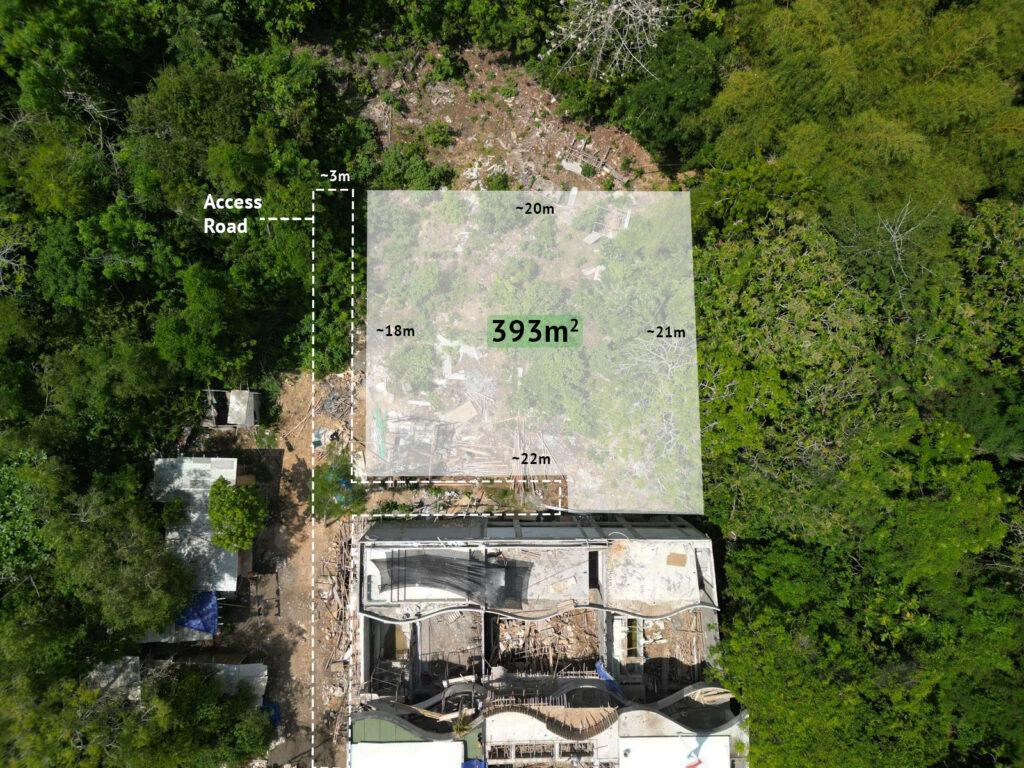
This leasehold land is located in Pecatu, an area in southern Bali known for its proximity to Uluwatu and established tourism infrastructure. The property offers flexible plot sizes, which makes it suitable for single villas, small villa clusters, or boutique accommodation concepts.
Its position allows easy access to beaches, dining areas, and key road networks, while still maintaining a quieter environment compared to central tourist hubs.
The land’s topography and access support efficient development planning. As Pecatu continues to mature as an investment corridor, this plot aligns well with long-term residential or hospitality-oriented use.
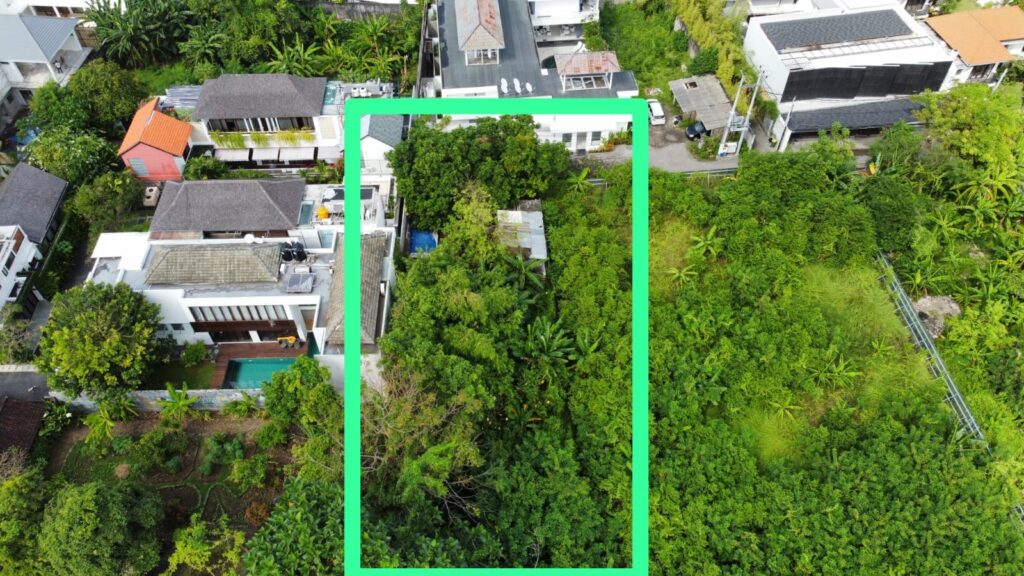
Situated close to Mertasari Beach, this 450 square meter freehold plot lies within one of Bali’s most established coastal neighborhoods. Sanur is known for its walkable areas, calm beachfront, and long-standing appeal to families and long-stay residents. The land benefits from road frontage and a practical shape that supports straightforward architectural design.
Its proximity to restaurants, medical facilities, schools, and resorts strengthens its suitability for a private residence or low-density commercial development. Freehold status adds a layer of long-term security within the local market.
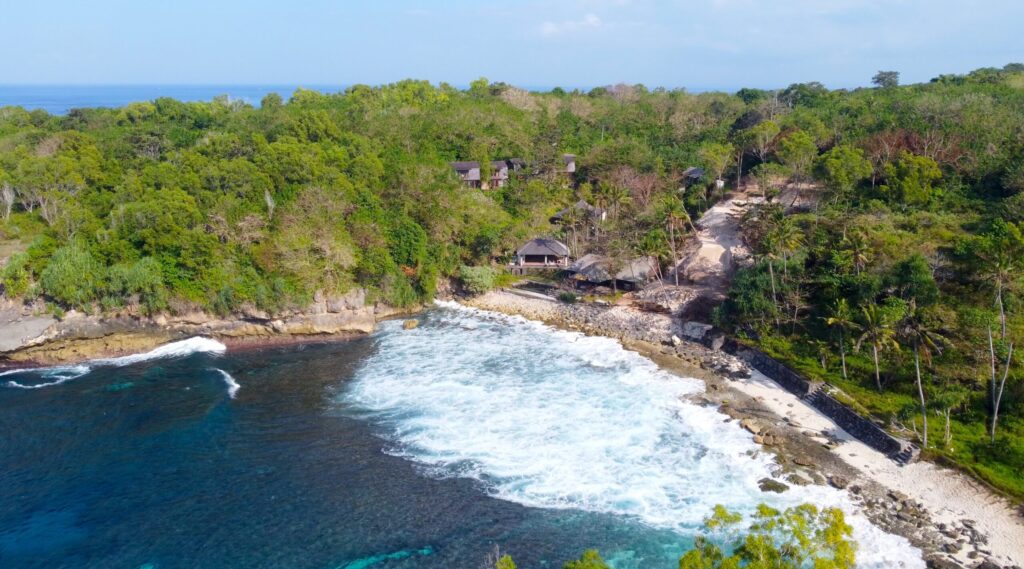
This beachfront leasehold land sits directly along the shoreline of Nusa Ceningan, offering unobstructed ocean views and immediate beach access. The island’s limited land supply and increasing visitor numbers contribute to sustained demand for well-located coastal plots.
The site suits low-rise development concepts such as private villas or small-scale hospitality projects that prioritize views and privacy. Its beachfront position places it within a niche segment of the Bali land market where availability remains extremely limited.
How We Support Your Land Investment
At Seven Stones Indonesia, we help you move beyond listings and into informed decisions. We provide clear guidance on land titles, zoning, and pricing benchmarks, while aligning each opportunity with your investment goals.
Our team supports you through due diligence, negotiations, and local market insights, so you can assess risks accurately and proceed with confidence when acquiring land in Bali.
Ready to take the next step? Contact us now to discuss your land investment goals in Bali. Whether you are comparing regions, evaluating prices, or reviewing legal structures, we help you move forward with clarity, security, and local expertise.
Source: ownpropertyabroad.com, bambooroutes.com
Image: Seven Stones Indonesia, pakornc/ Getty Images