




Many expats, digital nomads, and overseas investors choose Bali as a destination for private homes and rental villas. However, Indonesian land law follows strict national principles that limit direct ownership by foreign individuals, which makes foreign property ownership in Bali more complex than many buyers expect.
Therefore, anyone exploring Bali real estate must understand the legal structures that make property acquisition possible. In this guide, we explain how foreigners can legally secure property rights, what titles apply, and how to structure investments safely and strategically.
Can Foreigners Legally Own Property in Bali?
Indonesian agrarian law does not allow foreign individuals to hold freehold ownership, known as Hak Milik. Only Indonesian citizens can own land under this title. Nevertheless, foreigners can still access property legally through alternative land rights recognized by law.
In practice, foreign property ownership in Bali relies on structured usage rights rather than outright land ownership. These legal pathways allow expats to live in, lease, or commercially operate villas while respecting national regulations. As long as buyers follow approved structures, they can secure long-term control over property in Bali.
Types of Property Rights Relevant to Foreigners
Several land titles support foreign property ownership in Bali. Each serves a different purpose and investment strategy:
- Hak Pakai (Right to Use): Allows foreigners to use residential property for an extended period. The government grants this title under specific conditions.
- Hak Sewa (Leasehold): Enables foreigners to lease land or property for a fixed term, typically 25 to 30 years, with potential extensions subject to agreement.
- Hak Guna Bangunan (Right to Build or HGB): Allows a company to construct and own buildings on land for a long-term period.
Investors often choose leasehold for flexibility and lower upfront cost. Meanwhile, long-term investors frequently prefer structured rights like HGB through a corporate entity.
Read More: Villa Buying Guide Bali 2026: Ultimate Buyer Checklist
Can Foreigners Own Land in Bali?
Foreigners cannot directly own land in Bali under Hak Milik. Indonesian law reserves this title strictly for citizens. As a result, expats must focus on land-use rights rather than land ownership itself.
This distinction matters. When foreigners purchase property, they secure legal rights to use or build on land instead of owning the land outright. Therefore, understanding the difference between ownership and usage rights protects investors from legal misunderstandings and unrealistic expectations.
Ownership Through PT PMA
Many investors choose a PT PMA (foreign investment company) to strengthen foreign property ownership in Bali. A PT PMA operates as a legally registered Indonesian company that allows foreign shareholding. Through this structure, investors can hold property under Hak Guna Bangunan or Hak Pakai titles.
This approach offers several advantages:
- Longer tenure compared to standard leasehold agreements
- Clear corporate ownership structure
- Ability to operate property for commercial purposes, including rentals
- Stronger legal standing for investment portfolios
Because the PT PMA must meet capital and regulatory requirements, investors should plan carefully before formation. However, this structure often provides the most secure long-term pathway for serious property investors.
Risks and Legal Limitations Foreigners Must Understand
Although legal options exist, foreign property ownership in Bali still carries risks. First, nominee arrangements, where a foreigner places property under an Indonesian citizen’s name, remain legally unsafe. Indonesian courts do not recognize side agreements that attempt to bypass land restrictions.
Second, leasehold agreements depend heavily on contract terms. Poorly drafted renewal clauses can create uncertainty. Finally, regulatory compliance remains essential, especially for commercial villa rentals. Investors must conduct proper legal due diligence before signing any agreement.
Read More: How To Avoid Real Estate Scams in Bali
Explore Bali Property Listings with Seven Stones Indonesia
If you want expert guidance, we can help you navigate foreign property ownership in Bali with clarity and confidence. Our team understands local regulations and structures investments responsibly. Below are three premium listings that match expat lifestyles and investment goals:
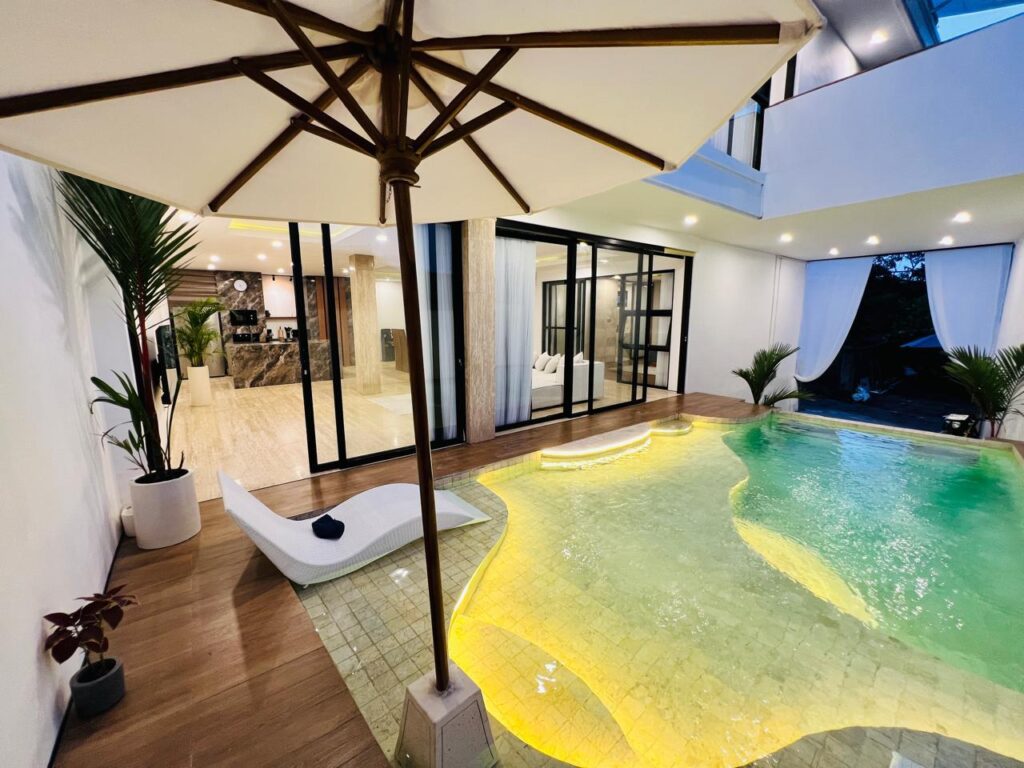
This stunning villa sits in one of Balangan’s most desirable neighborhoods. The property features expansive living areas, refined finishes, and a private setting that suits both family living and upscale rentals.
The villa combines elegant design with generous outdoor space, creating a peaceful retreat close to Bali’s iconic beaches. Its premium location enhances privacy while maintaining convenient access to popular dining and lifestyle destinations.
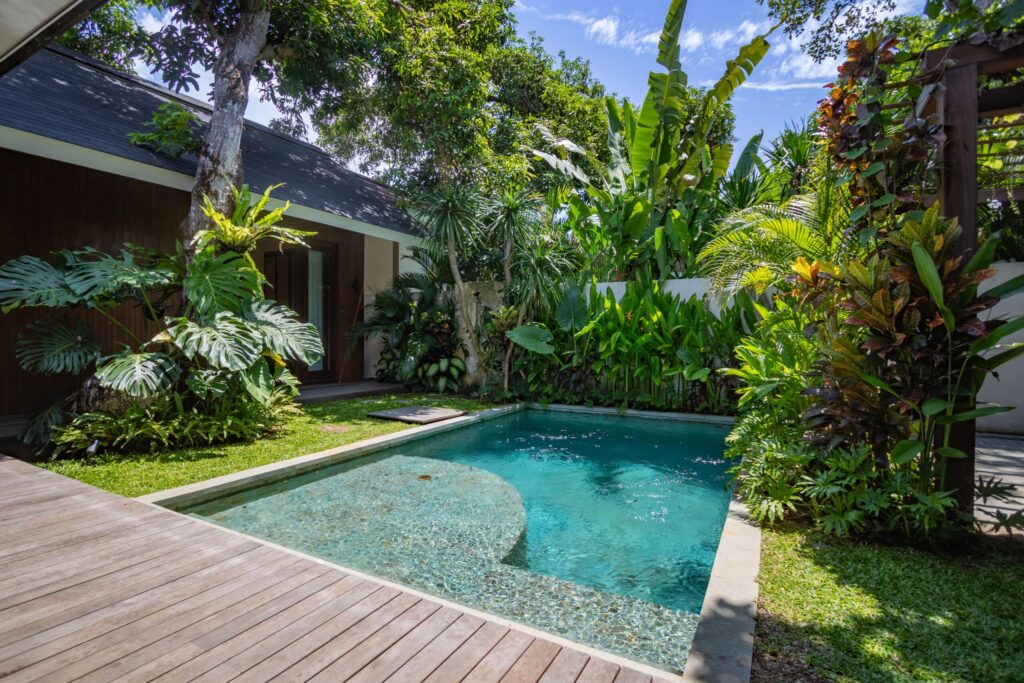
Located in coastal Sanur, this villa blends comfort with accessibility. The property places you near beaches, restaurants, and essential services, making daily living convenient and relaxed.
The layout maximizes natural light and functional space, while the surrounding neighborhood offers a calm residential atmosphere. Sanur’s established community and seaside setting make this villa ideal for long-term living or extended stays.
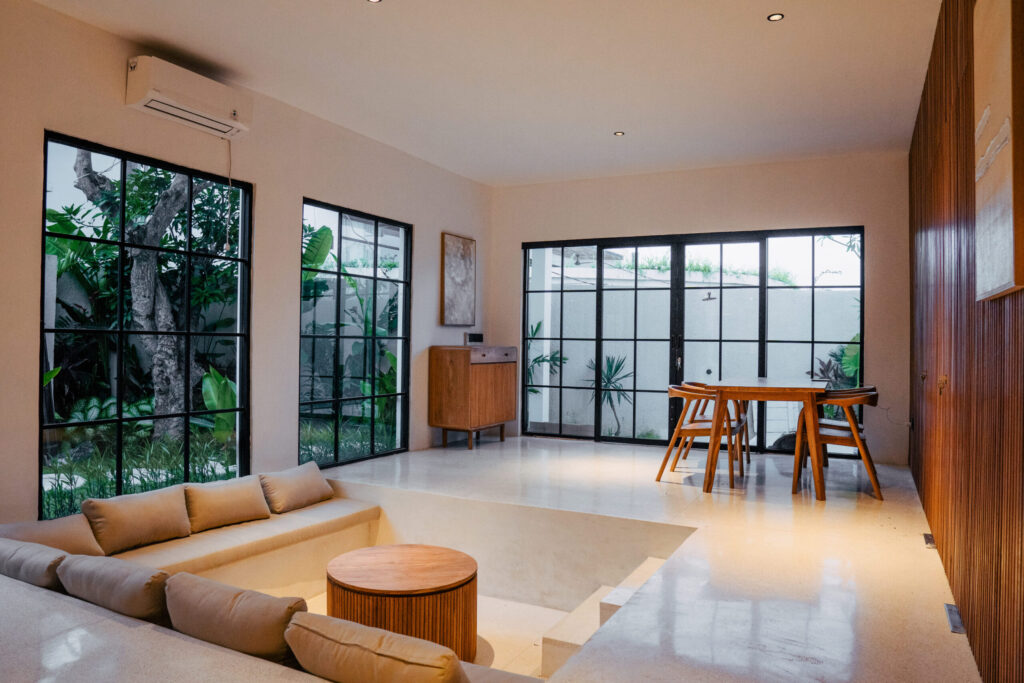
This contemporary villa showcases sleek architecture and efficient space planning. Clean lines, open living areas, and modern finishes create a stylish yet practical home environment.
Its location, just ten minutes from the beach, enhances both lifestyle appeal and convenience. Set within the growing Balangan area, the villa provides easy access to surf spots, cafés, and scenic coastal views.
At Seven Stones Indonesia, we combine local expertise with a deep understanding of property ownership in Bali. We guide buyers through land title reviews, due diligence, and compliant legal structures to protect their investment. If you are ready to secure property in Bali with confidence, contact us today.
Source: baliexception.com, cptcorporate.com
Image: Seven Stones Indonesia, Stefan Ionita / Canva