




Bali has become a magnet for long-term lifestyle buyers and investors thanks to its thriving tourism, creative culture, and international community. Foreign investors continue to invest in Bali property as demand for high-quality villas and rental homes increases. However, Indonesia’s land laws don’t allow direct freehold ownership by foreigners, which often creates confusion. This article outlines the legal options, including leasehold, PT PMA, and market trends, as well as the role of professional consultants in navigating Indonesia’s regulatory landscape.
Market Trends Driving Foreign Investment in Bali
Foreign investors continue entering the Bali property market as tourism expands, digital nomads settle longer, and lifestyle migrants relocate with families. While Bali once attracted short-stay tourists, many now pursue annual rentals or permanent residences, creating new housing demand. Property prices in key areas increase in response, yet remain accessible compared to Mediterranean, Australian, or Thai resort markets.
Several market indicators support rising interest:
- Tourism arrivals rebounded and diversified
- Remote work and flexible visas support longer stays
- Families seek private villas with amenities
- Investors pursue income-generating homes
Foreigners now look beyond short-term returns and explore hybrid strategies that combine personal usage and rental yields.
Read More: Bali Real Estate Market Trends 2025
What Types of Properties Foreign Investors Are Buying
Foreign investors typically target villas, townhouses, boutique apartments, and modern homes designed for rental yields or lifestyle usage. Villas dominate the market due to strong occupancy rates and high daily rental prices in Bali’s tourist districts. Family-friendly homes gain traction as overseas buyers prioritize space, privacy, and pool access.
Investors also explore townhouses and compact villas in emerging zones near beaches or co-working hubs. These properties offer lower entry prices and strong appreciation potential without competing directly with luxury beachfront estates.
Why Bali Offers Strong ROI Compared to Other Markets
ROI remains a major reason foreigners invest in Bali property. Villas in high-demand areas achieve attractive rental yields due to strong tourism, year-round seasonality, and rising luxury travel trends. Even with competition among operators, occupancy holds steady in areas such as Seminyak, Pererenan, and Uluwatu.
Bali offers better returns than many regional resort markets thanks to lower acquisition costs, affordable staffing, and flexible rental models, including daily and monthly stays. Investors also benefit from diversified visitor demographics and a maturing villa management ecosystem.
Read More: Bali Villa ROI: Why Tourist Hotspots Deliver High Returns
Legal Pathways for Foreign Investors to Own Property
Indonesia restricts freehold ownership to citizens, yet foreigners access real estate through legal titles and structured entities. The most common pathways include:
- Leasehold (Hak Sewa): flexible, long-term usage with defined extensions
- PT PMA + HGB: allows foreign-owned companies to hold building rights and operate properties
- Hak Pakai: suitable for residential usage with verified stay permits
These frameworks create a compliant structure for long-term investment while protecting the buyer’s interests.
Popular Areas Foreign Investors Are Targeting
Many regions across Bali have developed unique selling points for international buyers. Different areas cater to different investment goals, lifestyle preferences, and projected returns.
- Seminyak & Canggu dominate the luxury villa segment and attract short-term rental investors.
- Pererenan appeals to upscale buyers who want quieter neighborhoods within reach of the beach.
- Uluwatu & Bingin experience rapid development with modern villas, boutique resorts, and surf-focused demand.
- Ubud & Sanur draw wellness-oriented migrants and families seeking slower living with better schooling options.
These areas continue to expand as Bali diversifies its tourism and lifestyle markets, making location a key driver in long-term property value.
Risks Foreign Investors Should Understand
Foreign investors must evaluate zoning, licensing, and operator compliance, especially when purchasing rental-oriented villas. Market cycles, property management performance, and lease extensions also influence long-term returns. Due diligence remains essential to verify land titles, permits, access rights, and building certifications before purchasing. Working with experienced advisors reduces avoidable risks.
How Foreign Investors Are Structuring Long-Term Value
Foreign investors increasingly combine hybrid usage models, corporate structures, and sustainability trends to enhance long-term value. PT PMA structures enable operation and rental, while leaseholds become attractive when priced fairly and secured with clear extension terms. Investors also incorporate eco-design, solar systems, and wellness features to meet evolving guest expectations and support higher rental pricing.
Work with Seven Stones Indonesia to Secure High-Quality Bali Investments
We support foreign investors seeking legally compliant and profitable real estate opportunities in Bali. Our team provides due diligence, legal structuring guidance, rental projections, and strategic location advice based on client goals.
Here are several current listings that reflect different buyer profiles:
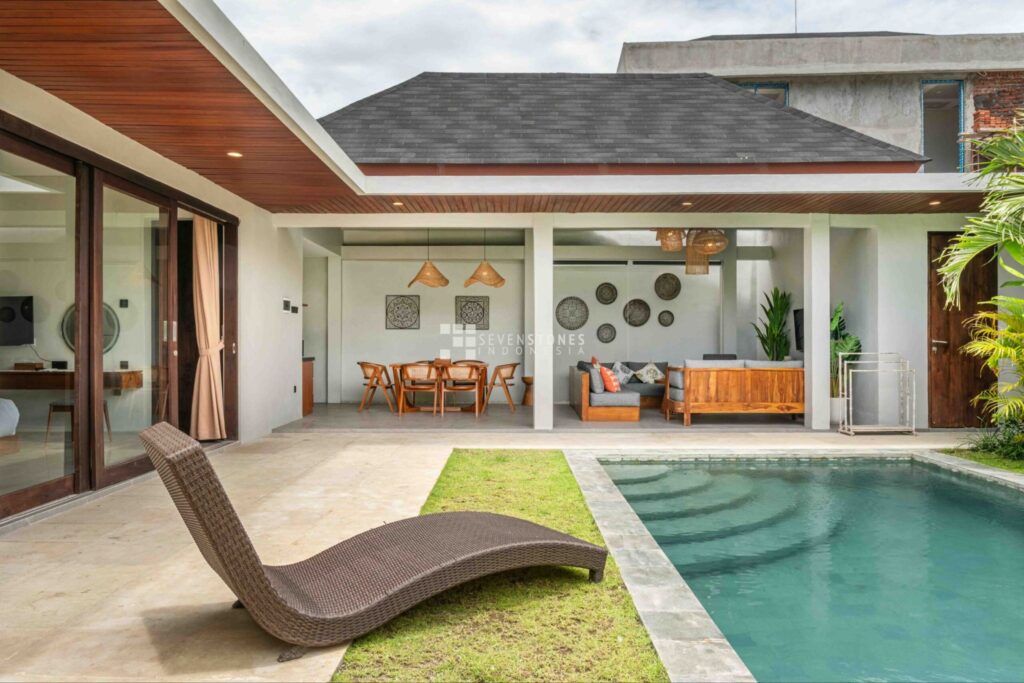
This Seminyak villa blends luxury amenities with a serene environment. Its design caters to tourists and lifestyle buyers seeking comfort near Bali’s best dining and nightlife. Spacious indoor-outdoor living and a private pool enhance the guest experience. The villa suits buyers targeting premium holiday rentals.
The neighborhood supports year-round demand and strong occupancy. Investors benefit from favorable ADRs and reliable rental management services. Its location within one of Bali’s most established districts reinforces long-term appeal.
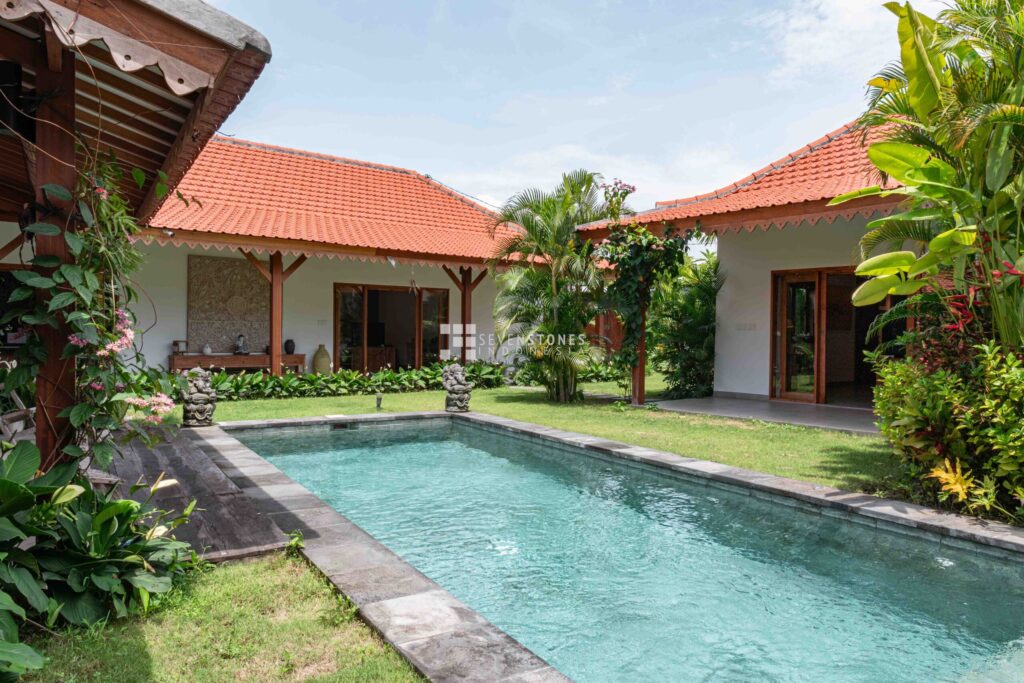
This Buduk property attracts families and long-stay residents seeking privacy and green surroundings. Well-planned interiors and multiple bedrooms suit lifestyle migrants relocating to Bali for schooling and remote work. The home offers a slower pace while remaining accessible to key districts.
Buduk’s emergence as a residential enclave supports steady tenant interest. Its proximity to Canggu enhances convenience for dining, retail, and wellness activities. This makes the home appealing to investors, balancing lifestyle usage and long-term tenancy.
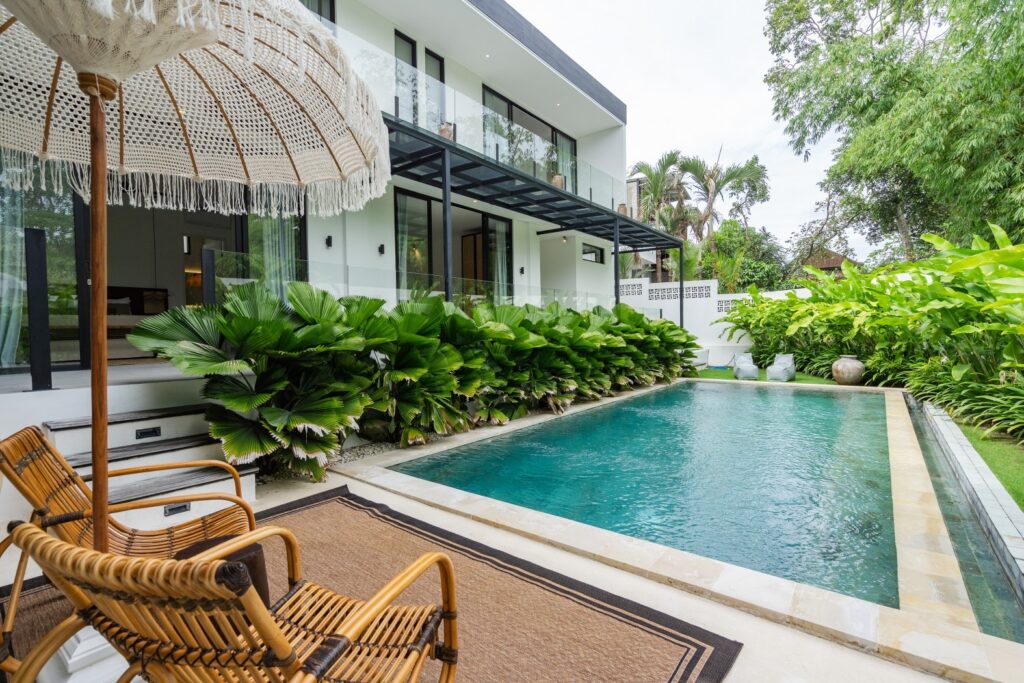
The Pererenan villa features contemporary architecture and sits close to beaches and cafés. Younger buyers and investors favor Pererenan for its upscale yet relaxed atmosphere. The property supports premium pricing for daily or monthly stays.
Pererenan continues evolving into a high-end district with a strong dining and hospitality scene. Leasehold investors benefit from lower capital outlay, strong rental performance, and high appreciation potential as infrastructure expands.
Contact us today to explore curated opportunities and learn how to invest confidently in Bali real estate.
Source: baliexception.com, cekindo.com
Image: Seven Stones Indonesia, Doina Gherban / Canva