



Written by: Terje. H Nilsen
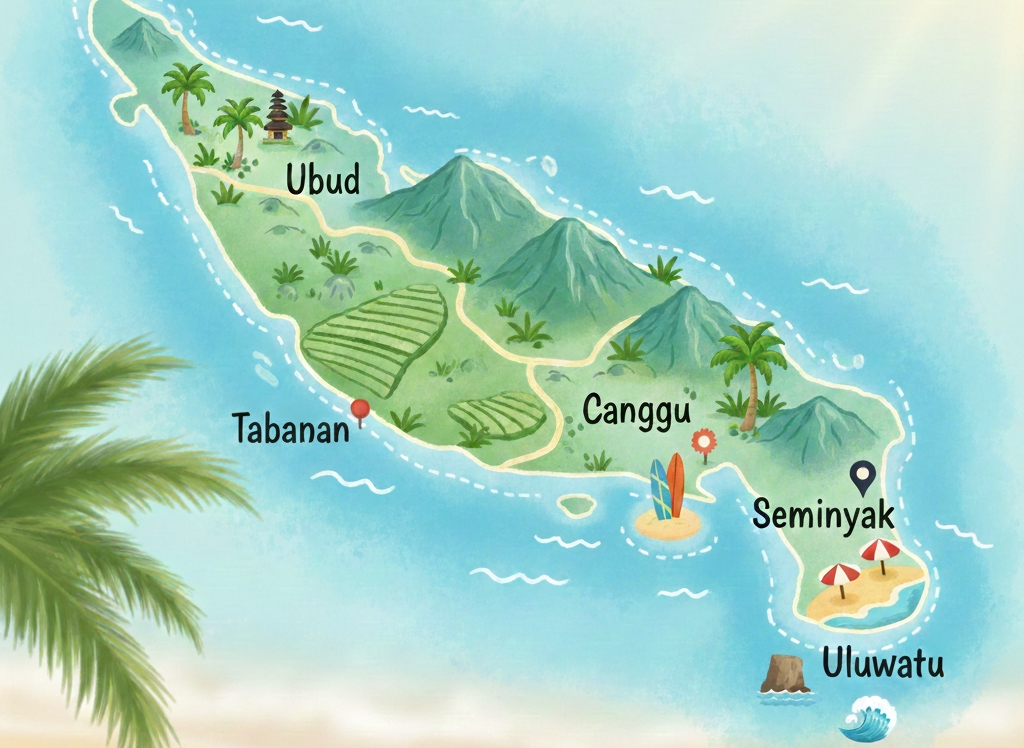
Bali is often spoken about as though it were a single real estate market. It isn’t.
In reality, Bali behaves more like six distinct micro-economies, each with its own infrastructure capacity, zoning character, guest demographic, compliance exposure, and long-term outlook.
Choosing where to invest is no longer just about lifestyle preference. In today’s increasingly formalising market — where enforcement of existing regulations is becoming consistent — location is also a structural decision.
Here is how the island’s key investment corridors truly compare.
CANGGU — High Demand, High Pressure
Canggu remains Bali’s most recognised short-term rental engine. Occupancy levels can be strong. International visibility is high.
The café and co-working culture continues to attract digital nomads and younger travellers. But the growth that created this success has also introduced strain:
▪ Fragmented zoning patterns
▪ Traffic congestion
▪ Water and wastewater pressure
▪ Increasing scrutiny of operational structures
In particular, the tightening enforcement around short-term rentals operated through PT PMA entities has introduced new structural risk. What once functioned informally is now being evaluated more closely. Canggu still works — but only when structured correctly from day one.
SEMINYAK — Mature and Predictable
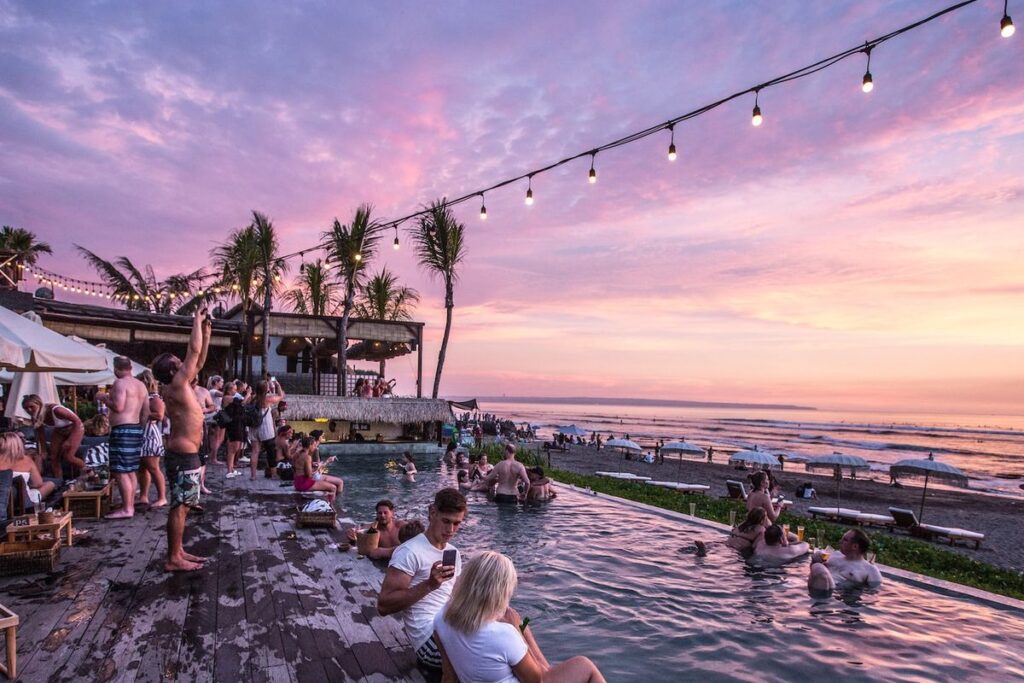
Seminyak represents Bali’s established hospitality core. Infrastructure is comparatively stable. Tourism zoning is clearer. Licensing pathways are generally more predictable. However, maturity comes with trade-offs:
▪ Limited land availability
▪ Strong competition from hotel-grade operators
▪ Moderated capital appreciation
For investors prioritising operational ease over aggressive growth, Seminyak offers familiarity and structure — but less upside.
UBUD — Wellness and Medium-Stay Evolution
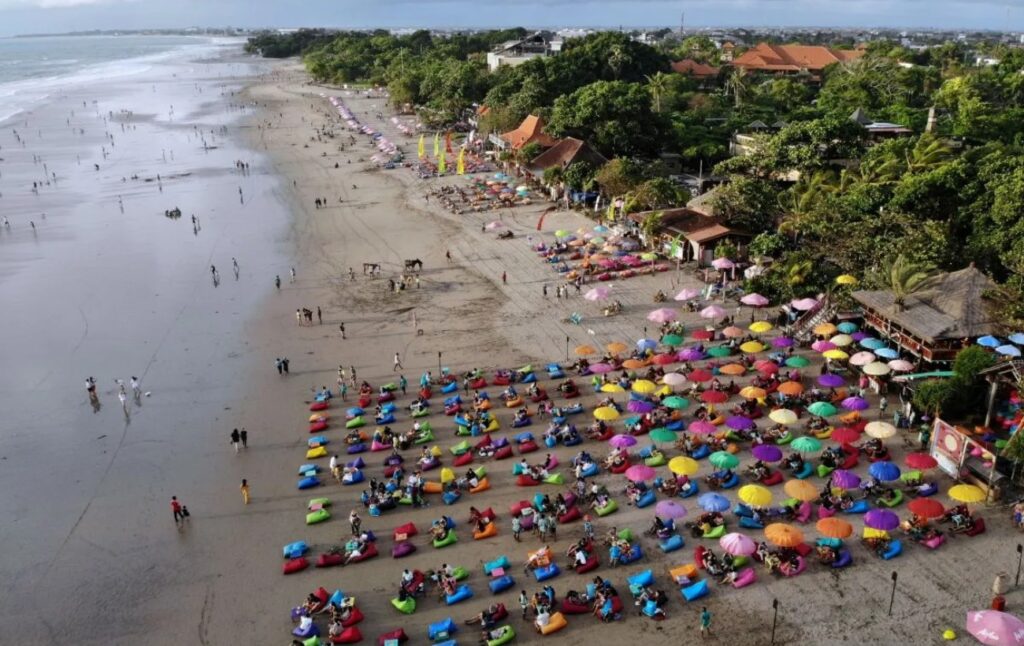
Ubud has quietly repositioned itself over the past decade. No longer purely a backpacker destination, it now attracts:
▪ Wellness travellers
▪ Retreat operators
▪ Long-stay guests
▪ Culturally motivated visitors
Lower density, stronger cultural identity, and growing demand for traditional Balinese design have supported a different type of hospitality model — less party-driven, more experiential.
Returns may develop more gradually than in Canggu, but the alignment with global wellness trends suggests durability.

SANUR — Stability and Long-Stay Comfort
Sanur appeals to a different demographic entirely. Families. Retirees. Healthcare tourists.
Its calmer beaches, infrastructure improvements, and proximity to medical facilities have reinforced a long-stay positioning. Ongoing development linked to healthcare tourism and nearby economic zones may further stabilise demand.
Yield expectations here are typically lower — but so is volatility. For governance-conscious investors, Sanur offers predictability.

ULUWATU — Dramatic Appeal, Structural Considerations
Uluwatu’s cliffs and ocean views create instant emotional appeal. The area continues to attract boutique developers and lifestyle investors seeking lower density than Canggu.
Surf culture and design-driven villas dominate the narrative. Yet from a structural standpoint:
▪ Road access varies significantly
▪ Water logistics can be complex
▪ Zoning patterns differ plot to plot
▪ Infrastructure remains uneven
Projects aimed at retreat-style or medium-stay use may prove more resilient here than aggressive short-term rental models. Uluwatu is aspirational — but it requires disciplined due diligence.

TABANAN — Bali’s Emerging High-End Eco Destination
While the southern corridors compete for density, Tabanan offers something fundamentally different: space. Historically agricultural, this region is increasingly recognised for:
▪ Retreat-based hospitality
▪ Eco-resort development
▪ Sustainable residential tourism
▪ Low-density, nature-integrated living
Compared to saturated markets, parts of Tabanan retain:
▪ Viable green zoning
▪ Stable water tables
▪ Reduced traffic
▪ Stronger alignment with traditional land-use principles
High-end eco concepts — such as Alassari Sanctuary and emerging projects like Nathaloka — reflect a broader shift toward hospitality integrated with nature rather than nightlife.
Returns here are rarely about rapid STR yield. They are about long-term positioning in a world where sustainability, wellness, and ecological integrity increasingly define value. In many respects, Tabanan may represent Bali’s most future-proof premium segment.
A Formalising Market Requires Structural Thinking
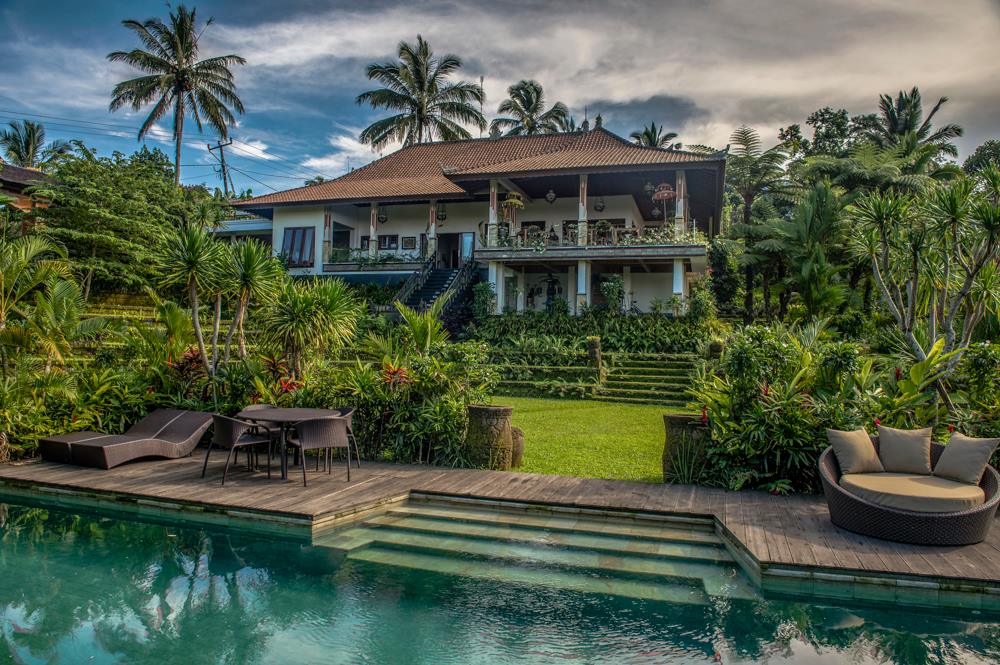
Bali’s evolution is not being driven by new regulation. It is being shaped by enforcement of existing frameworks. Investors today must consider:
▪ Zoning alignment
▪ KBLI classification
▪ Ownership structure
▪ Operational licensing feasibility
▪ Infrastructure sustainability
The wrong location choice may not reveal its risk at purchase — but at the licensing stage.
How Seven Stones Can Assist
Selecting the right area is no longer just a lifestyle exercise. Seven Stones Indonesia assists clients with:
✔ Zoning feasibility analysis
✔ KBLI alignment
✔ STR eligibility review
✔ Governance structuring
✔ Compliance pathway planning
Each region of Bali requires a distinct operational model. The earlier that structure is designed correctly, the more resilient the investment becomes.