




Bali’s been dealing with some serious issues when it comes to land use. Green zones are being turned into developments way too easily, and oversight has been pretty weak. To tackle this, the Regional People’s Representative Council set up a Special Committee in early September 2025 to focus on spatial planning, asset management, and licensing.
The idea behind the committee is to tighten up how regional rules are enforced, especially around land use and permits, and to make sure public assets are managed more efficiently.
Bali Environment Under Pressure
The timing couldn’t be more critical. With Bali’s natural environment under growing pressure from rapid development, the island needs stronger safeguards. Just a week after the committee was formed, flash floods hit—driving home the urgent need for better planning and environmental balance.
Another big issue is how business permits are being handed out through the Online Single Submission (OSS) system. Without proper local-level checks, this system can greenlight projects that ignore environmental risks, making natural disasters even worse.
Adding to the problem is the limited ability of the Public Order Enforcers Police to actually enforce regulations. Their lack of action has only deepened the cracks in Bali’s spatial planning system.
“The recent flash floods show that our spatial planning no longer supports nature’s balance,” said I Made Supartha, a politician from the Indonesian Democratic Party of Struggle and Chair of the Special Committee on Spatial Planning, Licensing, and Regional Assets. “This special committee will ensure that all regulations are implemented and that there are no further compromises regarding spatial planning violations in order to protect Bali,” Supartha added.
Initial Findings: The Crackdown Begins
Wasting no time since its official launch, Bali’s Special Committee on Spatial Planning, Assets, and Licensing immediately carried out surprise inspections across the island—uncovering a series of violations in several high-profile developments.
The findings shed light on persistent problems with permit compliance, environmental safeguards, and the enforcement of spatial planning rules.
1. Samabe Bali Suites & Villas: Temporary closure of operations was ordered after the luxury resort was found to have constructed a lift on a cliffside and a swimming pool at the cliff edge without proper permits, along with an unauthorized cave restaurant.
2. Luna Beach Club in Nuanu Creative City: Cited for swimming pool construction that violated essential cliff boundary regulations.
3. Jimbaran Asri Residential Complex: Eight housing units were illegally built within the protected forest area of Taman Hutan Raya Ngurah Rai.
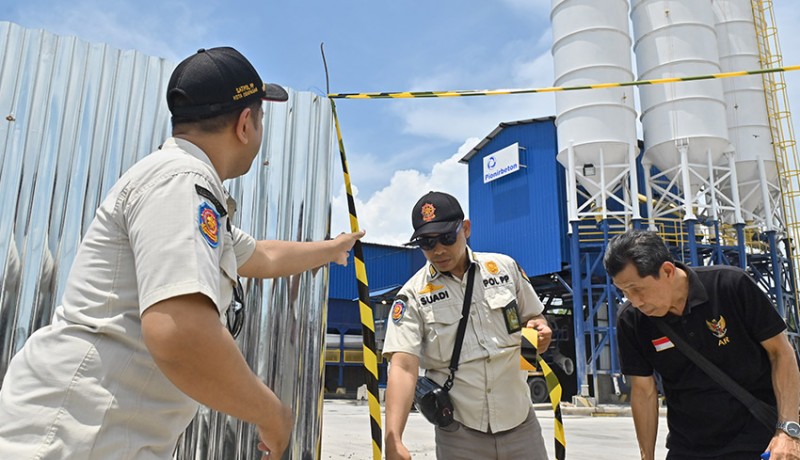
4. Pionir Beton Concrete Factory: Temporary suspension of operations in Denpasar. The factory was built on land designated for commercial and service activities, not for industrial use, a clear violation of zoning.
5. Amankila and Alam Resort in Karangasem: Halting of villa construction after developers were found only to possess a Business Identification Number and had not yet obtained crucial building approval or permits for groundwater usage.
Not Against Investment
The swift results achieved by the Special Committee since its formation were immediately praised by Bali Governor I Wayan Koster.
“Given the committee’s active efforts, I extend my sincere thanks. Keep up the field monitoring, as long as it’s backed by solid documentation. We must avoid counterproductive actions or legal backlash from those involved. Everything must be based on accurate, strong, and accountable documents. As long as the foundation is solid, keep going. I fully support it,” said Koster in Denpasar on Wednesday, October 22, 2025.
In the context of spatial planning enforcement, Koster emphasized that the government is not anti-investment. Instead, it aims to ensure that all investments follow the proper rules, respect local culture, and maintain environmental balance. He stressed that responsible investors will continue to receive support, while violators will face firm action.
“We’re not against investment, but it must run on the right track. According to regulations, respecting local wisdom and Balinese culture, and preserving Bali’s natural ecosystem. We’re cracking down on the bad actors, taking firm action against those who break the rules. But the good ones—we will support and facilitate them for Bali’s progress, so the island stays harmonious and sustainable,” Koster explained.
Full Spatial Compliance with Seven Stones Indonesia
The list of violations above serves as a clear warning: the era of cutting corners in Bali’s property market is over. With the Special Committee actively auditing compliance and enforcing spatial planning rules and permits, investors and developers now face heightened risk if their legal groundwork is incomplete.
This is where proactive compliance becomes investors’ most valuable asset. Seven Stones Indonesia provides comprehensive legal compliance services designed to secure property investment from initial due diligence to final operation. We can assist in business licensing and building permit applications, ensuring your project is safe, sustainable, and fully aligned with Indonesia’s complex regulatory framework.
Contact Seven Stones Indonesia today to ensure your investment is compliant and protected.