



Introduction
Bali has long been seen as a tropical paradise where dreams come true. Countless foreigners arrive each year, imagining a life of sun-soaked villas, profitable rentals, and smooth investment deals. Along the way, they are often told: “Don’t worry, anything is possible here.”
But this is one of the biggest fairytales in the Indonesian property market. Behind the glossy presentations and whispered promises lies a harsh reality: Bali is governed by clear laws on zoning, investment, taxation, and construction. Many foreign investors continue to fall for myths and shortcuts, only to discover later that their property cannot be legalized, rented, insured, or even kept in their name.
This article unpacks the most common myths foreign investors believe in Bali — and explains the real risks behind them.
Myth 1: Foreigners Can Own Freehold Land in Bali
The Fairytale
You meet an agent or a notary who tells you: “Don’t worry, foreigners can own land here. Just put it in a local friend’s name, it’s safe.” They show you success stories, papers with stamps, and a reassuring smile.
The Reality
Under Indonesian law, Hak Milik (freehold land) is reserved exclusively for Indonesian citizens. Foreigners cannot hold it. Instead, they can use:
- Hak Pakai (Right to Use) for personal use, or
- Hak Guna Bangunan (Right to Build) through a PT PMA (foreign investment company).
The so-called “nominee structure” — where a local person holds the title on behalf of a foreigner — is a legal time bomb. It has no protection if the relationship sours, and the state has the right to void the ownership. Many foreigners have lost millions of dollars because they believed this myth.
Myth 2: Zoning Rules Don’t Apply if You Know the Right People
The Fairytale
“Don’t worry about zoning, just build the villa. Everyone does it. If you know the right person, you’ll get the permit later.”
The Reality
Bali’s Provincial Regulation No. 2/2023 (PERDA 2/2023) sets out the zoning map. Green zones are strictly for agriculture, while tourism and residential zones are defined for building.
Even if a villa goes up in the wrong zone, it will not get a valid permit (PBG/SLF). That means it cannot be legally rented, insured, or sold to serious investors. Local authorities have already started demolishing illegal builds in Bingin and Canggu, and enforcement is only getting tighter.

Myth 3: A Local PT Is Enough for Foreign Investment
The Fairytale
Some investors are told to set up a local PT (limited liability company) using an Indonesian partner as a front. It looks cheaper and easier than a PT PMA, so why not?
The Reality
This violates Indonesia’s investment laws. A PT PMA (Perseroan Terbatas Penanaman Modal Asing) is the only legal structure that allows foreign ownership. It comes with capital requirements, tax obligations, and reporting duties.
Operating through a nominee PT is a breach of law under the Omnibus Law and PP 28/2025 on Risk-Based Licensing. If discovered, the business can be dissolved, fined, or blacklisted. Worse, the foreigner has no legal rights as a shareholder or director.
Myth 4: Taxes in Bali Don’t Really Matter
The Fairytale
“Indonesia is a cash economy, don’t worry about taxes. No one checks.”
The Reality
This thinking might have worked decades ago, but Indonesia’s tax system is rapidly modernizing. The government is integrating land registries, banking systems, and OSS licensing into the Directorate General of Taxes (DGT).
Foreign investors must account for:
- PPh (Income Tax) on rental income,
- PPN (VAT) on certain transactions,
- BPHTB (Land & Building Acquisition Tax) when buying property,
- Annual corporate or personal tax filings.
Penalties for evasion include hefty fines, backdated assessments, and even immigration sanctions. In short: the “cash is king” era is ending fast.
Myth 5: Building Permits Are Just Paperwork
The Fairytale
“Don’t bother with building approvals, just start building. You can always fix it later.”
The Reality
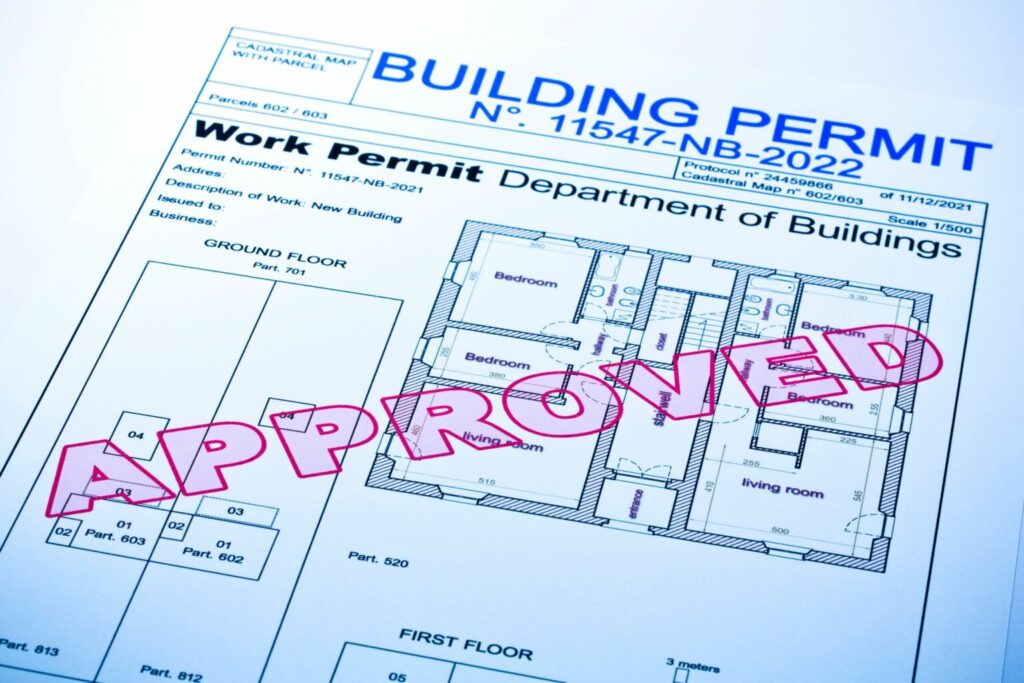
Every building in Bali requires a PBG (Persetujuan Bangunan Gedung) and later an SLF (Sertifikat Laik Fungsi) to be legal. Without these, the property cannot be recognized by the state, insured by a bank, or sold to investors who insist on compliance.
Authorities are increasingly inspecting unlicensed builds. For tourism businesses, this is especially risky: no permits means no business license, no online registrations, and a red flag for future enforcement.
Myth 6: You’ll Always Find Someone to Fix Problems Later
The Fairytale
“If something goes wrong, don’t worry — there’s always someone who can sort it out with the right connections.”
The Reality
While minor issues may be resolved, structural violations cannot be magically legalized later. If your land is in the wrong zone, if your company structure is invalid, or if your taxes are unpaid, there is no “fixer” who can grant retroactive legality. By then, the cost of repair — both financial and reputational — is far higher than doing it properly from the beginning.
Why These Myths Persist
- Aggressive marketing: Unscrupulous brokers, notaries, and developers profit from shortcuts.
- Investor mindset: Many foreigners want quick profits, not long-term compliance.
- Cultural gap: Western investors often assume “rules are flexible,” but Indonesian law is unambiguous.
- Success stories: A handful of people got away with it before, creating a false sense of security.
The Smarter Path: Doing Things Right
Bali is a fantastic place to invest — but only if done within the law. Successful investors take the following steps:
1. Use proper legal structures — PT PMA for foreign ownership, Hak Pakai/HGB for land rights.
2. Respect zoning regulations — check maps, understand PERDA 2/2023, and never build in green zones.
3. Secure all permits — PBG and SLF are not optional.
4. Stay tax compliant — register, file, and pay what’s due.
5. Invest sustainably — eco-friendly, community-inclusive projects are the future of Bali.
Conclusion
Bali is not a land of unlimited possibilities without consequences. It is an island governed by Indonesian law — and the government is becoming stricter by the year.
Foreign investors who fall for fairytales often end up losing everything: land, money, and legal standing. But those who invest the right way — with proper legal structures, respect for zoning, and full tax compliance — not only protect their assets but also build lasting value in Bali’s community and economy.
The bottom line: Don’t chase myths. Build your investment on reality. Bali rewards those who do things right.
Reach out to Seven Stones Indonesia through email: [email protected] or WhatsApp : +62 877-7711-7701
Written by Terje H Nilsen