



Written by: Terje. H Nilsen
From Tropical Modernism to Regenerative Eco-Luxury
Bali’s villa design language is evolving — and not just aesthetically.
Over the last five years, investors and developers have largely focused on visual appeal: infinity pools, polished concrete, floor-to-ceiling glass, and minimalist geometry designed as much for Instagram as for occupancy.
But in 2026, the conversation is changing. Today’s buyers — particularly from Europe and Scandinavia — are beginning to ask different questions:
▪ How energy-intensive is this villa to operate?
▪ Can it remain comfortable without full-time air-conditioning?
▪ Where are the materials sourced from?
▪ How does the development interact with local water flow or land use?
In short: The market is moving from design-driven to performance-driven architecture.
Below are ten design trends now shaping Bali’s next generation of sustainable villas and eco-resorts.
1. Tropical Modernism Replacing “Glass Box” Villas
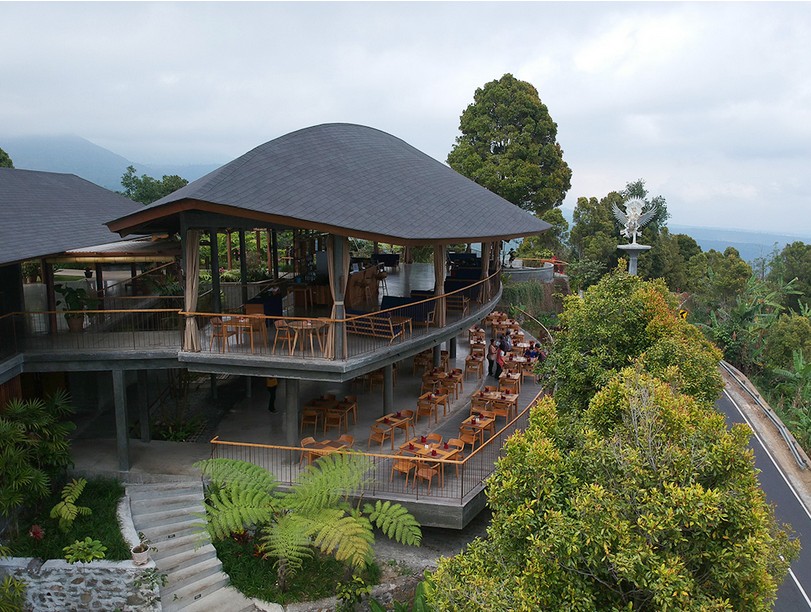
A growing number of villas are moving away from sealed interiors and returning to climate-responsive layouts. Balinese architect Popo Danes has long advocated for:
▪ shaded transitional zones
▪ deep roof overhangs
▪ pavilion-style layouts
▪ airflow-based planning
Similarly, Andra Matin demonstrates how modern Indonesian design can remain contemporary while embracing:
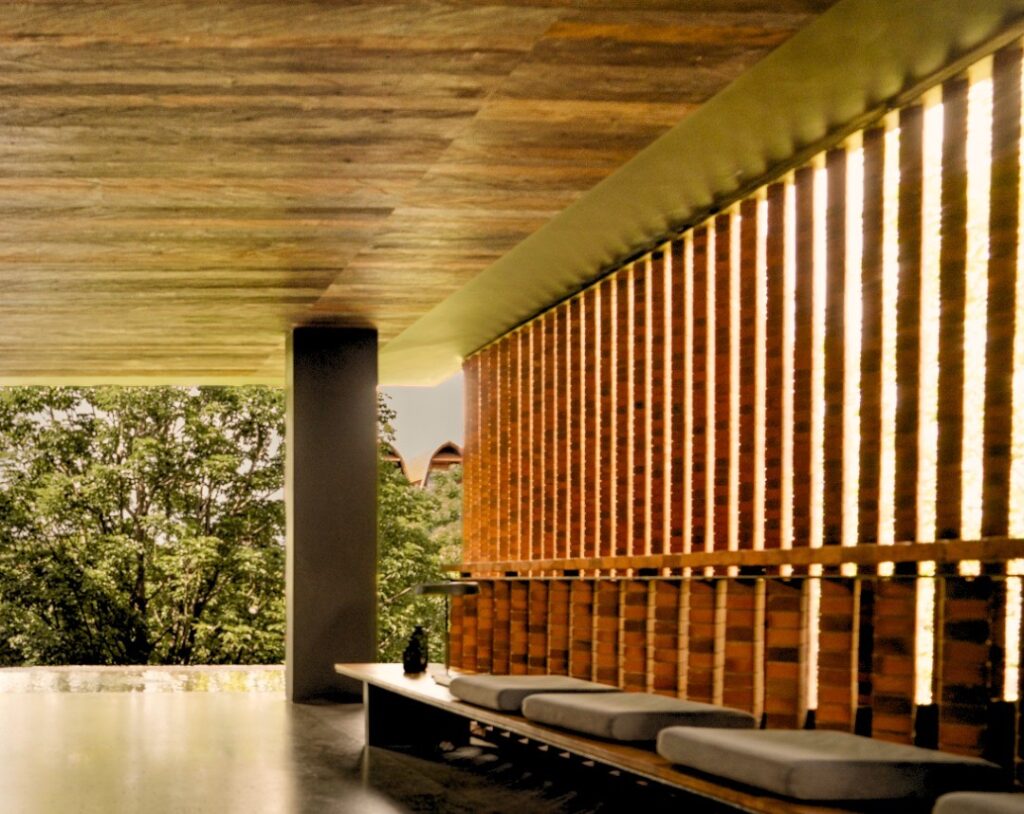
▪ passive cooling
▪ screened facades
▪ natural cross-ventilation
The 2026 buyer is no longer asking:
“Is it modern?”
…but rather:
“Will it stay cool without AC running 24 hours a day?”
2. Hybrid Material Construction
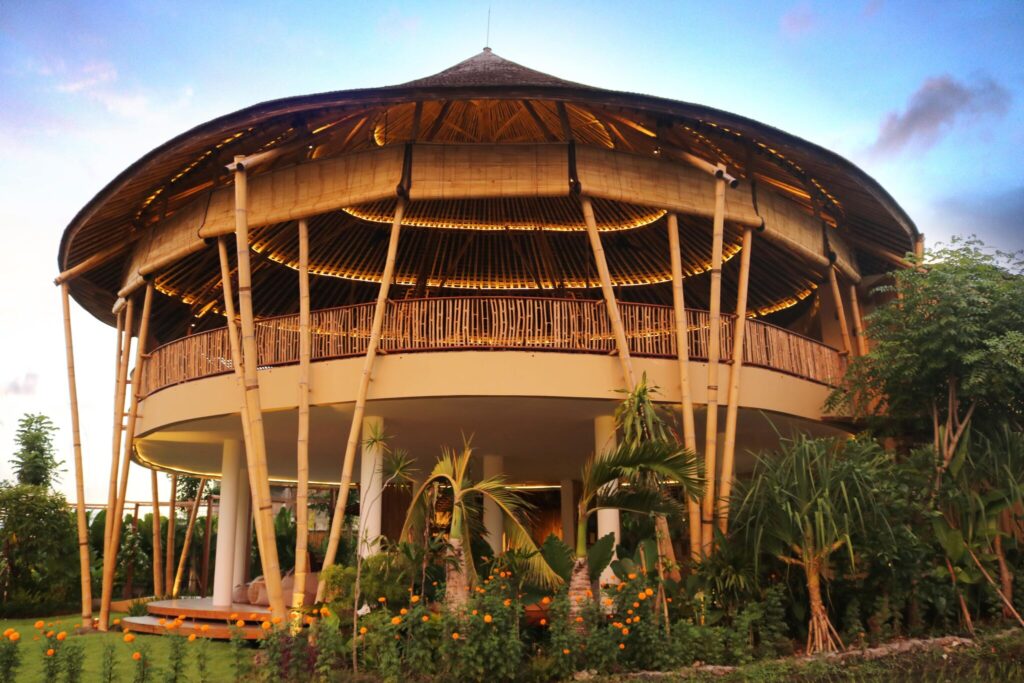
Rather than relying on a single material identity, newer villas increasingly combine:
▪ bamboo roof spans
▪ rammed earth walls
▪ reclaimed teak
▪ paras stone facades
Designers like Charles Hearn integrate bamboo not as the dominant structure — but as:
▪ ceiling grids
▪ pergolas
▪ secondary shading systems
Hybrid construction often delivers:
▪ longer building lifecycle
▪ easier insurance compliance
▪ stronger resale perception
… important considerations for investors entering the eco-resort segment.
3. Regenerative Landscape Integration
The next step beyond sustainability is regeneration. Newer developments increasingly incorporate:
▪ edible gardens
▪ bioswales
▪ natural swimming ponds
▪ greywater filtration
▪ subak-aligned drainage systems
This approach aligns closely with Bali’s traditional Tri Hita Karana philosophy — balancing relationships between people, nature, and spirit.
4. Rammed Earth & Local Stone Revival
As embodied carbon becomes part of the investor dialogue, material sourcing matters. Increasingly requested construction materials include:
▪ compressed earth blocks
▪ rammed earth walls
▪ reclaimed hardwood
▪ paras batu
These also offer improved thermal performance, reducing reliance on mechanical cooling systems.
5. Elevated “Touch-Lightly” Foundations
In areas like Western Bali and Tabanan, elevated foundation systems are gaining popularity for their ability to:
▪ protect root systems
▪ reduce erosion
▪ improve drainage
▪ minimise flood exposure
6–10. Additional Trends Shaping 2026
▪ Solar-passive roof geometry
▪ Rainwater harvesting integration
▪ Wantilan-inspired pavilion layouts
▪ Retreat-style micro-zoning
▪ Banjar-aligned cluster design
What This Means for Investors
In today’s Bali market, sustainable villa design is no longer a niche preference — it is fast becoming a marker of:
▪ long-term asset quality
▪ operational efficiency
▪ market differentiation
Particularly in emerging eco-destinations such as Tabanan, where space, nature, and infrastructure resilience are increasingly valued by international buyers.
How Seven Stones Can Help
At Seven Stones Indonesia, we assist investors and developers in aligning their villa concepts not only with market trends — but also with:
▪ zoning compliance
▪ licensing readiness
▪ environmental approvals
▪ long-term operational planning
Ensuring that architectural ambition is matched by regulatory and financial sustainability.